The Impact of Metal Thickness on Cutting Method Selection
Metal cutting is a critical process in industries such as manufacturing, construction and automotive. Choosing the right method for cutting metal is essential to ensure quality, cost efficiency and safety. However, several common mistakes occur in the selection and application of cutting methods, often due to a misunderstanding of the role that metal thickness plays. This article examines common mistakes in metal cutting, analyzes how material thickness affects the choice of technique, and offers recommendations for avoiding these pitfalls.
The Role of Metal Thickness in Cutting Processes
Metal thickness directly affects the efficiency, precision and practicality of various cutting technologies. Processes such as laser cutting, plasma cutting, waterjet cutting and mechanical techniques (such as sawing or shearing) react differently to thin and thick materials. A deeper understanding of the relationship between material thickness and cutting method helps prevent problems related to distortion, quality loss and production delays.

1. Thin metals (up to 3 mm): Precision is often paramount when cutting materials such as thin aluminum or stainless steel sheets. Cutting methods such as laser cutting excel in their ability to produce fine, detailed cuts with minimal heat affected zones. Incorrect use of techniques designed for thicker metals, such as plasma cutting, can lead to problems such as
- Distortion and warping caused by excessive heat.
- Overcutting or rough edges that require additional finishing.
2. Medium Thickness (3mm to 25mm): This range includes common metals used in structural applications, such as sheet steel or medium thickness aluminum. Plasma and waterjet cutting are well suited for this category. Errors occur when:
- Laser cutting is chosen for thicker materials, resulting in slower speeds and higher operating costs.
- Sawing or mechanical methods are used, resulting in uneven cuts and blade wear.
3. Thick metals (25 mm and above): Heavy-duty applications, such as structural beams or industrial machinery components, require robust methods such as plasma or oxyfuel cutting. Waterjet cutting also works for thick materials, but is less efficient on harder metals.
Errors often occur when:
- Inappropriate laser cutting is used; lasers struggle with thick sections, increasing the risk of poor penetration and incomplete cuts.
- Inconsistent plasma settings lead to dross and rough edges that require rework.
Common metal cutting mistakes and their causes
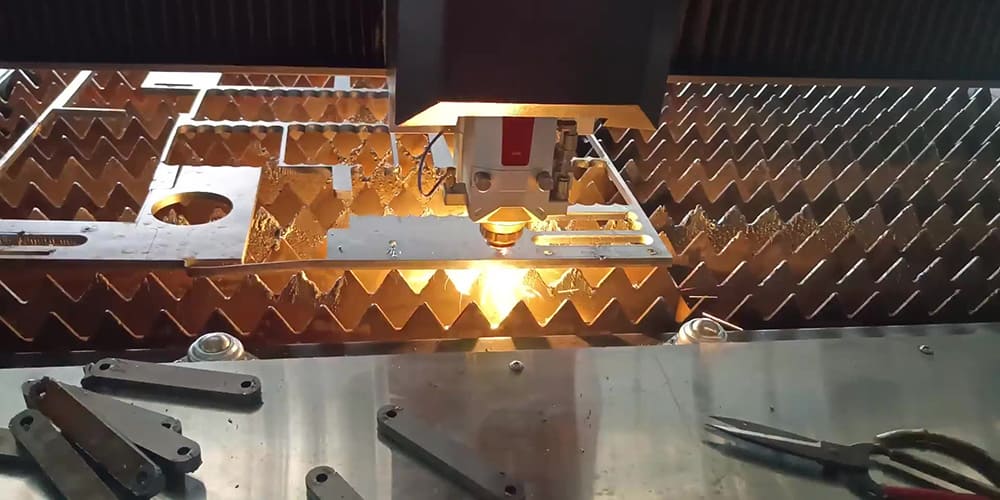
- Using the Wrong Cutting Method for the Material Thickness Selecting a cutting method without considering the thickness of the metal often results in reduced precision, higher costs or increased production time. For example, attempting to use a laser on thick steel can result in incomplete cuts and overheating, while using a plasma cutter on thin metal can cause excessive melting and distortion.
- Incorrect parameter settings Even with the right cutting tool, errors in parameter settings such as speed, gas pressure, or power output can compromise the result. For example:
- High power or speed settings on thin metal can cause burn-through.
- Low power settings on thicker materials can cause partial cuts, leaving burrs along the edges.
- Ignoring Heat-Affected Zones (HAZ) The heat generated during metal cutting can cause deformation, especially in thinner materials. Plasma and laser cutters, for example, generate significant heat that can affect the structural integrity of the material. Failure to address this issue often results in warping or microcracking that weakens the final product.
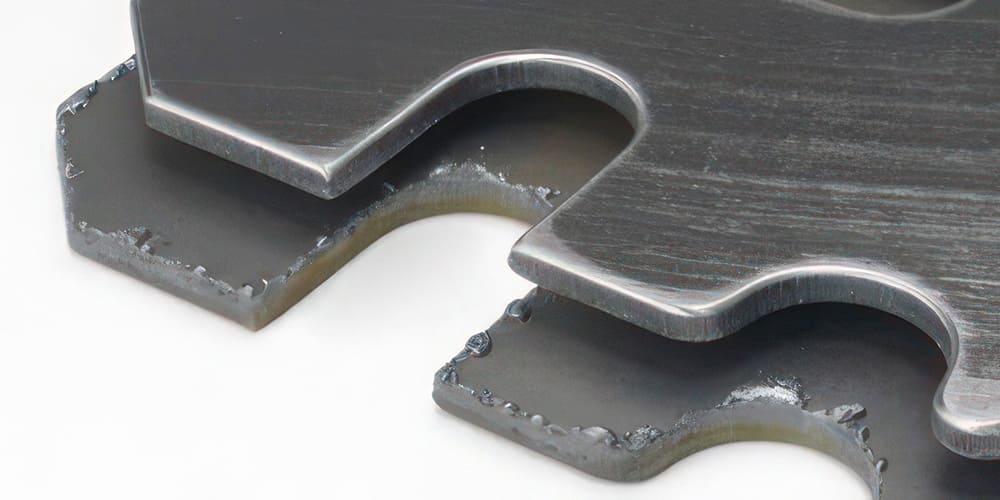
- Neglecting Edge Finishing Requirements Certain processes, such as plasma or mechanical cutting, often require additional edge finishing to remove dross or burrs. Ignoring this requirement can result in poor quality parts that do not meet specifications or require rework, increasing lead times.

- Improper tool maintenance and calibration Cutting machines require regular maintenance to function properly. Dull blades, misaligned nozzles or clogged waterjet lines can affect the quality of cuts. Inadequate calibration can also lead to misalignment problems that cause scrap or require costly manual corrections.
Recommendations for Avoiding Common Mistakes
- Match cutting method to material thickness Carefully evaluate the thickness of the metal when selecting the cutting method. Use:
- Laser cutting for thin metals (up to 3 mm) where precision is critical.
- Plasma or waterjet cutting for medium-thickness materials (3 mm to 25 mm).
- Oxyfuel or plasma cutting for thick metals (over 25 mm).
- Optimize parameters based on metal characteristics Set the appropriate power, speed and gas pressure based on the type and thickness of the metal. Modern CNC machines allow precise parameter control, minimizing the risk of defects. Performing test cuts prior to full-scale production helps fine-tune these parameters.
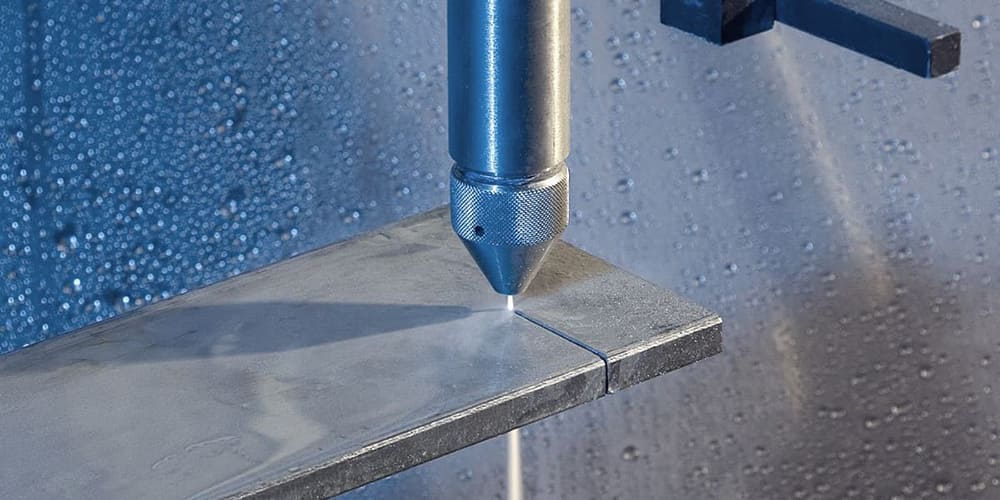
- Mitigate Heat-Affected Zone Problems To avoid distortion, consider methods that generate minimal heat, such as waterjet cutting, especially for sensitive materials. If heat-generating methods must be used, cooling systems or heat sinks can reduce the size of the HAZ. For thin metals, adjusting power settings or using pulse mode on lasers can help control heat.
- Plan for post-cut finishing When using plasma or mechanical cutting, always allow time and resources for edge finishing. Automated deburring systems or manual grinding tools can be used to remove burrs and smooth edges.
- Regular Maintenance and Calibration Establish a preventive maintenance schedule for cutting equipment to ensure optimal performance. Regular calibration ensures that cutting tools are properly aligned with the material, preventing errors and ensuring consistency from batch to batch. Keeping spare parts, such as blades and nozzles, on hand minimizes downtime.
Case Study Examples
- Laser Cutting of Thin Stainless Steel Sheets A manufacturer of kitchen appliances was experiencing problems with distorted edges when cutting thin stainless steel sheets with plasma cutters. Switching to laser cutting not only eliminated the distortion, but also increased production speed by reducing finishing requirements.
- Plasma Cutting of Structural Steel Components In a structural steel project, using laser cutting for 20 mm plates resulted in slow cuts and high costs. The company switched to plasma cutting, significantly improving efficiency and reducing costs while maintaining acceptable cut quality.
- Waterjet Cutting Aerospace Components An aerospace company cutting 50 mm titanium plates initially used plasma cutting, but the resulting heat-affected zones caused material fatigue problems. Switching to waterjet cutting solved the problem because the cold cutting process eliminated heat-affected defects.
Conclusion
Understanding the relationship between metal thickness and cutting methods is essential to selecting the right tools and avoiding common mistakes. Each cutting technology offers distinct advantages, but improper application can result in quality issues, increased costs and wasted time. By matching the cutting method to the material thickness, optimizing parameter settings, addressing heat-affected zones, and maintaining equipment, companies can increase productivity and ensure superior product quality. Careful planning and ongoing maintenance are key to preventing errors, reducing rework and achieving efficient, high-precision metal cutting.
This comprehensive approach not only ensures better results, but also improves operational efficiency, giving companies a competitive edge in their respective industries.