Computer Numerical Control (CNC) technology has transformed manufacturing, especially in fields such as metalworking and design. From its humble beginnings to today's sophisticated systems, CNC machines have not only streamlined production processes, but also enabled creative design. In this article, we will explore the evolution of CNC technology, how it has shaped various industries, and what the future may hold for this game-changing technology.
The origins of CNC
The roots of CNC technology can be traced back to the early 20th century, specifically the 1940s during World War II. At the time, the aircraft industry needed faster, more accurate ways to produce parts. Manual machining methods were too slow and prone to human error. Engineers looked for a way to automate the process, which led to the development of the first numerically controlled (NC) machines.

The very first NC machines used punched cards to control the movement of the machines, which was a significant improvement over manual operation. However, these machines were still quite limited in terms of flexibility. It wasn't until computers were incorporated into the process in the 1950s that CNC technology as we know it today began to emerge. The Massachusetts Institute of Technology (MIT) played a critical role in this development, with John T. Parsons and his team laying the groundwork for CNC machines by integrating computers into machining processes.
This development made it possible to machine more complex designs with greater precision, ushering in the modern manufacturing era. CNC machines became a cornerstone of industries such as automotive, aerospace, and metal fabrication.
The Current State of CNC Technology
Today's CNC machines are far more advanced than their early counterparts. No longer limited to basic tasks, they are now used in complex and precise manufacturing processes. CNC systems control a wide range of machines, from milling machines to laser cutters, 3D printers, and more. This versatility has expanded CNC applications to a variety of industries, including construction, electronics, and even the arts.

One of the defining characteristics of modern CNC machines is their accuracy. These machines can produce parts with incredibly tight tolerances, sometimes to within a few microns. This level of precision is essential for industries such as aerospace, where even small deviations can have catastrophic consequences.

In addition, CNC machines are now designed to work with a wide range of materials, including metals, plastics and composites. They also offer multi-axis capabilities that enable the creation of intricate and highly detailed parts. For example, 5-axis CNC machines can rotate parts along multiple axes, making it possible to produce complex components without having to manually reposition material.
Advantages of Modern CNC Machines
Modern CNC machines offer several key advantages that have contributed to their widespread adoption in various industries:
- Precision and accuracy: CNC machines can perform complex tasks with unparalleled accuracy, reducing the likelihood of human error and ensuring consistency from product to product.
- Efficiency: CNC technology has greatly accelerated manufacturing processes. Automated systems can work continuously, making it possible to achieve higher production volumes without compromising quality.
- Flexibility: CNC machines can be easily reprogrammed to produce different parts or products, allowing manufacturers to switch between projects with minimal downtime.
- Cost-Effectiveness: Although CNC machines can be expensive to purchase, they save money in the long run through reduced labor requirements, increased efficiency, and minimal material waste.
- Customization: CNC allows for easy customization, enabling the production of custom parts, especially in industries such as automotive and medical.
CNC in Design and Metalworking
One of the most exciting applications of CNC technology is in metalworking and custom design. CNC metal cutting machines are often used to create intricate patterns and designs for both functional and aesthetic purposes. For example, many people use CNC machines to design custom fire pits, gates, fences, or decorative panels.
These custom designs are especially valuable to small businesses and hobbyists. With the right CNC machine and software, almost anyone can turn their designs into reality. DXF (Drawing Exchange Format) files are widely used to share designs across platforms and machines.

Challenges of CNC Technology
Despite its many benefits, CNC technology comes with its own set of challenges. For one, the initial cost of a CNC machine can be prohibitive for small businesses or individual users. While prices have come down as the technology has become more widespread, high-end CNC machines still represent a significant investment.
Another challenge is the learning curve associated with operating CNC machines. Although today's machines are easier to use than their predecessors, programming and setting up CNC machines still requires a certain level of expertise. Mistakes in programming or machine setup can lead to costly errors, especially when working with expensive materials such as metals.
Finally, like all technology, CNC machines require regular maintenance. Machine wear and tear can lead to reduced accuracy and, in some cases, total machine failure. Keeping CNC machines in good working order is critical to maintaining production efficiency.
The Future of CNC Technology
As we look to the future, it's clear that CNC technology will continue to evolve and offer even more capabilities to industries worldwide. Several trends are already shaping the future of CNC technology, including automation, artificial intelligence (AI), and additive manufacturing.
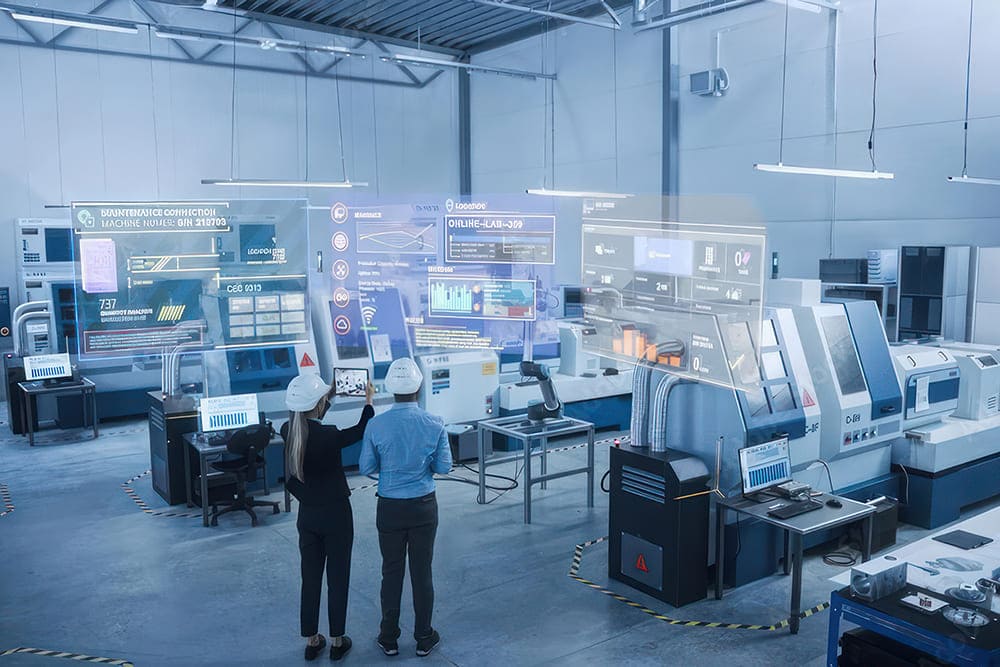
- Automation and Smart Factories: One of the biggest trends in manufacturing is the shift to fully automated "smart factories." CNC machines are increasingly being integrated with other technologies such as AI and robotics, creating fully autonomous production lines that require little to no human intervention.
- AI and Machine Learning: Artificial intelligence is expected to play a significant role in the future of CNC technology. AI can help optimize CNC processes by learning from previous operations and making real-time adjustments to improve efficiency and accuracy. This reduces errors and improves the overall productivity of CNC machines.
- Additive Manufacturing: CNC machines are typically associated with subtractive manufacturing-where material is removed from a block to create a part. However, the rise of additive manufacturing, such as 3D printing, is changing the landscape. Future CNC machines may combine both subtractive and additive capabilities, making it possible to produce even more complex and precise parts.
- Sustainability: As industries move toward more sustainable practices, CNC machines are likely to be at the forefront of this shift. Advances in materials and more efficient processes will reduce waste and energy consumption, making CNC manufacturing more environmentally friendly.
The evolution of CNC technology has had a profound impact on the manufacturing and design industries, particularly in metalworking. From the early days of punch-card programming to today's high-precision, computer-controlled systems, CNC machines have come a long way. As the technology continues to evolve, we can expect CNC machines to become even more powerful, versatile and integral to industries around the world.
The future holds exciting possibilities for CNC, from full automation and AI integration to the merging of subtractive and additive manufacturing techniques. As these advances unfold, CNC technology will continue to shape the way we design, create and innovate. Whether you're a professional in the field or a hobbyist exploring CNC for the first time, the potential of this technology is truly limitless.