When it comes to cutting metals, both plasma and laser cutting are popular methods, each offering specific advantages depending on the type of project. While plasma cutting is known for its ability to handle thicker materials, laser cutting excels at precision and fine detail. The choice between these two technologies can have a significant impact on productivity, cost, and the quality of the final product.
The purpose of this article is to provide a comprehensive comparison of plasma and laser cutting. We will examine how both methods work, compare their strengths and weaknesses, and make recommendations on when to choose one over the other. In the end, you will have a clear understanding of which technology is better suited to your manufacturing needs.
Plasma Cutting Overview
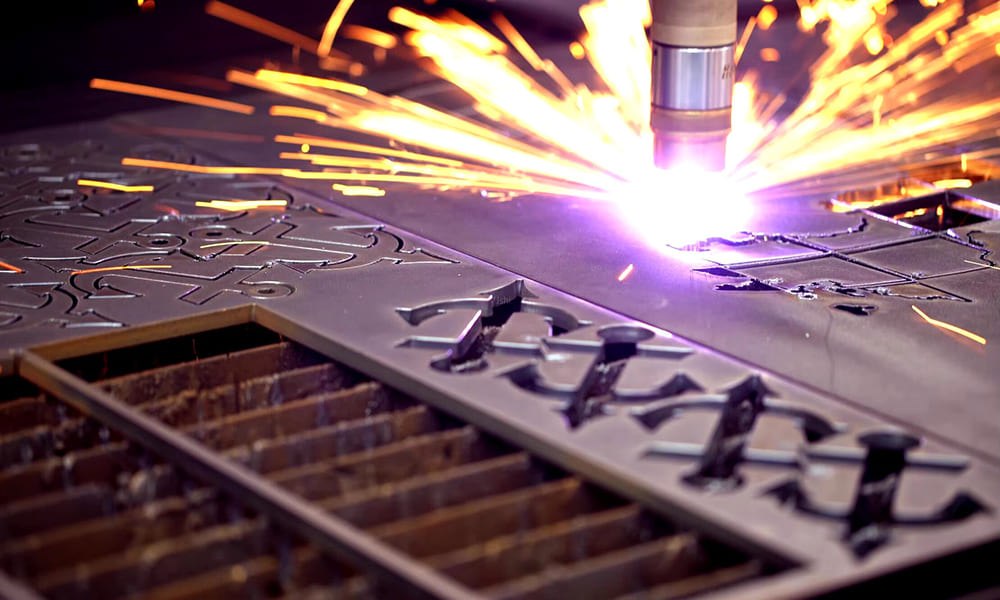
Plasma cutting is a process that uses a high-temperature jet of plasma to melt and cut electrically conductive materials such as steel, stainless steel and aluminum. Plasma is created when gas (usually compressed air, nitrogen, or argon) is superheated by an electric arc, turning it into an ionized state capable of cutting through metal.
How Plasma Cutting Works
- Electric Arc Generation: The plasma cutter generates an electric arc between the nozzle and the workpiece.
- Gas Flow: Compressed gas is forced through the nozzle at high speed, becoming plasma.
- Cutting Process: The plasma jet melts the metal and the force of the gas removes the molten material from the cut.
Strengths
- Effective on thick materials: Plasma can cut metals up to 50 mm thick, making it ideal for heavy industrial applications.

- Speed for heavy-duty cuts: Faster than laser cutting for thick metals.
- Lower initial investment: Plasma cutters are generally less expensive than industrial laser systems.
Weaknesses
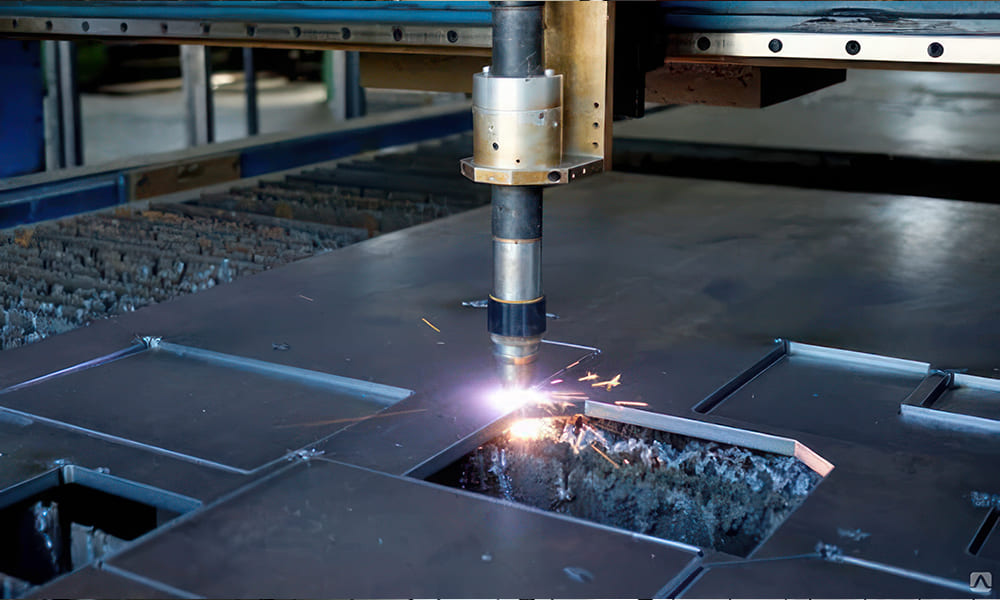
- Lower accuracy: Plasma cutting is less accurate than laser cutting, especially on thin materials.
- More heat-affected zones (HAZ): High temperatures can cause warping or distortion, especially in thin materials.
- Messier cuts: Plasma cuts often require additional finishing to smooth out rough edges.
Laser Cutting Overview

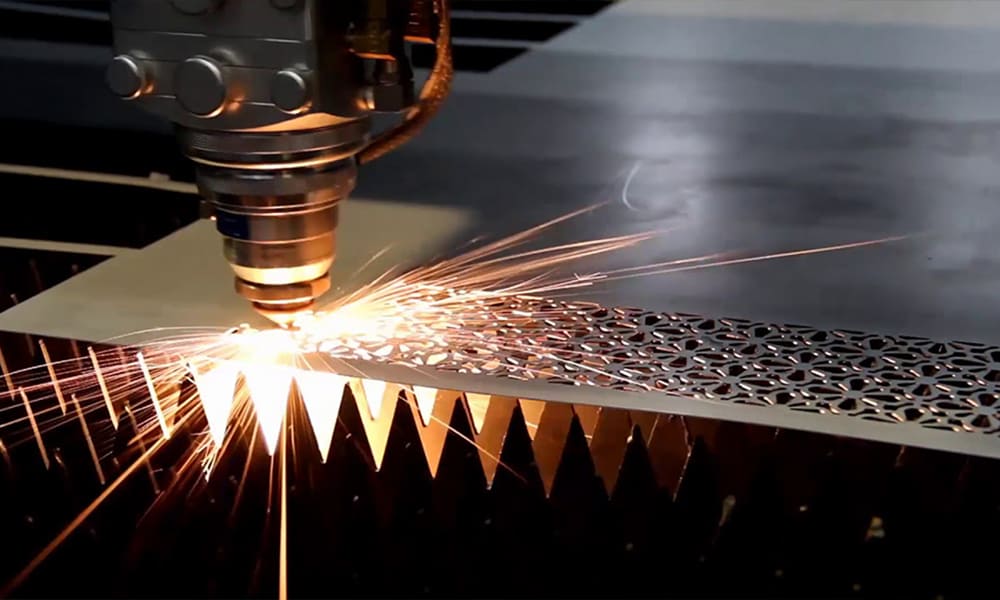
Laser cutting uses a focused beam of light to precisely cut materials. Fiber and CO2 lasers are the most common types used in metalworking, with fiber lasers offering speed and versatility. Unlike plasma cutting, laser cutting does not rely on electrical conductivity, which allows it to process a wider variety of materials, including reflective metals such as aluminum.
How laser cutting works
- Laser Generation: A laser source produces a focused beam of light.
- Focusing the laser: Lenses or mirrors focus the beam to generate heat at a specific point.
- CNC control: The laser follows a programmed path with high precision, melting or vaporizing the material.
- Assist Gas Usage: Gases such as nitrogen or oxygen blow away molten metal, ensuring a clean edge.
Strengths
- High precision: Capable of achieving very tight tolerances, making it ideal for intricate designs.
- Minimal thermal distortion: Reduced heat-affected zone (HAZ) means less distortion.
- Material versatility: Can cut a wide range of metals, including reflective materials such as copper and brass.
- Smooth edges: Little to no finishing is required, saving time and effort.

Weaknesses
- Limited thickness: Laser cutting is less effective on metals thicker than 25 mm.
- Higher equipment costs: Industrial laser systems require a significant initial investment.
- Sensitive to reflective surfaces: Although fiber lasers have improved in this area, challenges remain with highly reflective materials.
Detailed comparison: Laser vs. Plasma Cutting
1. Precision and accuracy
Laser cutting is the clear winner when precision is required. It can make intricate cuts with minimal error, making it ideal for detailed work in the aerospace, electronics, and medical industries. Plasma cutting, while effective, cannot match the precision of lasers, and its cuts often require additional post-processing.
2. Cutting speed and efficiency
Plasma cutting offers faster results for thick metals. In applications such as shipbuilding or structural steelwork, plasma cutters are the first choice because of their ability to quickly process large and thick materials. Laser cutting, on the other hand, is more efficient for thinner materials where speed and precision are equally important.
3. Material Compatibility
- Laser cutting: Works well with various metals, including stainless steel, aluminum, titanium, and non-metals such as ceramics and plastics.
- Plasma Cutting: Limited to electrically conductive materials, which limits its use to metals such as steel, aluminum and copper.
4. Heat Affected Zone (HAZ)
Laser cutting produces a much smaller heat affected zone than plasma cutting. This is critical for heat-sensitive materials or projects where maintaining structural integrity is critical. Plasma cutting, on the other hand, generates more heat, which increases the risk of distortion in thinner materials.
5. Equipment Cost and Maintenance
- Laser cutting: Requires a higher initial investment, and maintenance costs can be significant. However, fiber lasers, known for their durability, require less frequent maintenance than CO2 lasers.
- Plasma cutting: More affordable upfront, with lower maintenance costs, making it attractive to smaller workshops and heavy industry.
6. Automation and Software Integration
Both plasma and laser cutting systems can be integrated with CNC controls and CAD/CAM software. However, laser systems offer more advanced automation capabilities, allowing greater precision in automated processes, especially in large-volume production.
When to choose laser cutting
- For thin to medium materials:Laser cutting is ideal for materials up to 25 mm thick.
- When precision is critical: Industries such as aerospace, automotive and electronics require precise cuts.
- For smooth, clean edges:When minimal finishing is desired.
- For a wider variety of materials: Laser systems work on both metals and non-metals, providing versatility.
When to choose plasma
- For thick metals: Plasma cutting is the better choice for materials thicker than 25 mm.
- For Heavy Duty Applications: Shipbuilding, construction and steel fabrication benefit from the speed and power of plasma cutting.
- When budget is an issue: Plasma systems offer a more affordable solution for shops that don't need extreme precision.
Conclusion
The choice between plasma and laser cutting depends on the specific needs of your project. Laser cutting is the optimal choice when precision, automation, and versatility are required. It offers smooth edges, tight tolerances, and minimal heat affected zones, making it ideal for industries where quality is paramount.
On the other hand, plasma cutting excels in heavy-duty applications, especially when working with thick materials. Its speed and affordability make it a preferred option for industries such as construction and shipbuilding, where precision is secondary to efficiency.
Ultimately, understanding the strengths and limitations of each method helps companies choose the right technology for their needs. Some companies even use both technologies to cover a broader range of applications, ensuring that they remain competitive and flexible in a demanding marketplace.