Plasma cutter power consumption is a critical factor in the metalworking industry. It goes beyond basic operational knowledge; it affects everything from long-term costs to environmental sustainability. Plasma cutters, known for their speed and versatility, require a significant amount of energy to operate efficiently. Understanding this energy consumption is critical for professionals and hobbyists alike.
In industrial contexts where large cutting operations take place on a daily basis, energy costs can be a significant portion of the budget. For example, a shop with multiple plasma cutters can see its electricity bills skyrocket if energy use isn't optimized. In addition, an increased focus on sustainability has pushed industries to adopt green practices, including energy-efficient cutting technologies.
Plasma cutting power consumption is influenced by many factors, including cutter design, material properties and operating settings. This guide examines these variables and provides practical insights to help users maximize efficiency, reduce costs and minimize environmental impact.
The Plasma Cutting Process: Science and Performance Dynamics

Plasma cutting is a highly effective method of cutting conductive metals, and its efficiency lies in the science of plasma. Below is a detailed breakdown of how the process works and where the energy is used.
Step-by-Step Process
- Gas Ionization: Compressed air or other gas, such as nitrogen, is heated to extreme temperatures, ionizing it into plasma-a highly conductive state of matter.
- Electric arc generation: An electric arc is created between the plasma torch and the metal, transferring concentrated heat to melt the material.
- Material Ejection: The high-velocity plasma jet ejects molten material, creating a clean cut.
Energy Intensive Components
- Plasma Torch: Converts electrical energy to heat, consuming most of the power.
- Compressor: Provides the pressurized gas needed to generate plasma.
- CNC System: Adds precision and automation, requiring additional power for motion control.
Electrical Characteristics
The power consumption of plasma cutters depends on the voltage (V) and amperage (A). For example, a small plasma cutter operating at 30A and 120V consumes less energy but cuts thinner materials than a high-capacity cutter operating at 80A and 240V.
Case Study: Consider two cutters:
- A lightweight cutter running at 30A and 120V cuts thin aluminum efficiently.
- A rugged 80A, 240V model will cut thick steel and consume much more power.
Understanding these dynamics helps users choose the right plasma cutter for their needs without overburdening their energy budget.
Key factors affecting plasma cutter power consumption
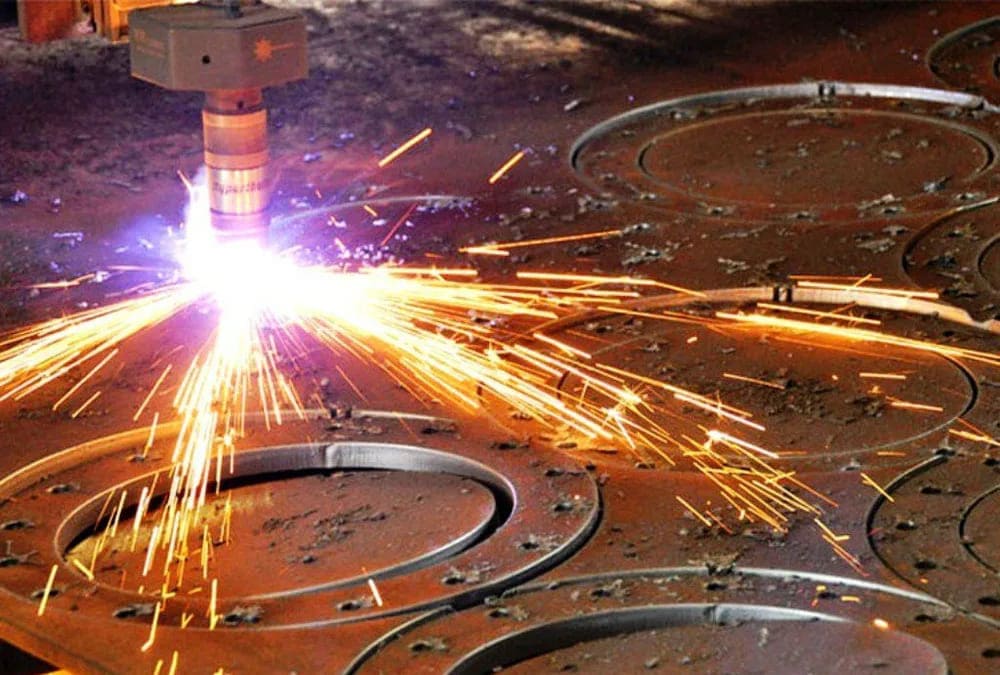
Several variables affect the power requirements of a plasma cutter. Optimizing these factors can significantly improve efficiency.
1. Amperage and Voltage
Higher amperage allows faster and deeper cuts, but increases power consumption. For lighter jobs, such as cutting thin aluminum sheets, lower amperage settings are sufficient and save energy. Conversely, thick steel plates require higher amperage, which increases operating costs.
- Case study: Cutting a 0.25-inch aluminum plate at 30A uses less energy than cutting a 0.5-inch steel plate at 60A.
2. Material Properties
The type and thickness of the material greatly affect the amount of energy used. Metals with high thermal conductivity, such as aluminum, require more energy to cut because they dissipate heat quickly.
Power Requirements Table:
Material | Thickness (inches) | Amperage (A) | Voltage (V) |
Aluminum alloy | 0.25 | 40 | 120 |
Mild Steel | 0.25 | 30 | 120 |
Stainless Steel | 0.5 | 60 | 240 |
3. Compressed Air Requirements
Plasma cutters require compressed air to maintain the plasma arc. Whether the cutter has an internal or external compressor affects energy consumption.
- Internal Compressors: Comfortable, but often less efficient.
- External compressors: Generally more energy efficient and better suited for high volume operations.
4. Cutting speed and accuracy
Higher speeds reduce cutting time but require more power. However, speeds that are too high can sacrifice precision, resulting in wasted material and energy.
Energy-Speed Tradeoff Chart:
Speed Setting | Power Consumption | Material Quality |
Low | Minimal | High precision |
Medium | Moderate | Balanced |
High | High precision | Low precision |
5. Sustainability Impact
Using energy-efficient plasma cutters reduces greenhouse gas emissions. Using advanced cutters with regulated airflow and automated adjustments minimizes waste without compromising performance.
Real-world energy measurement for plasma cutting
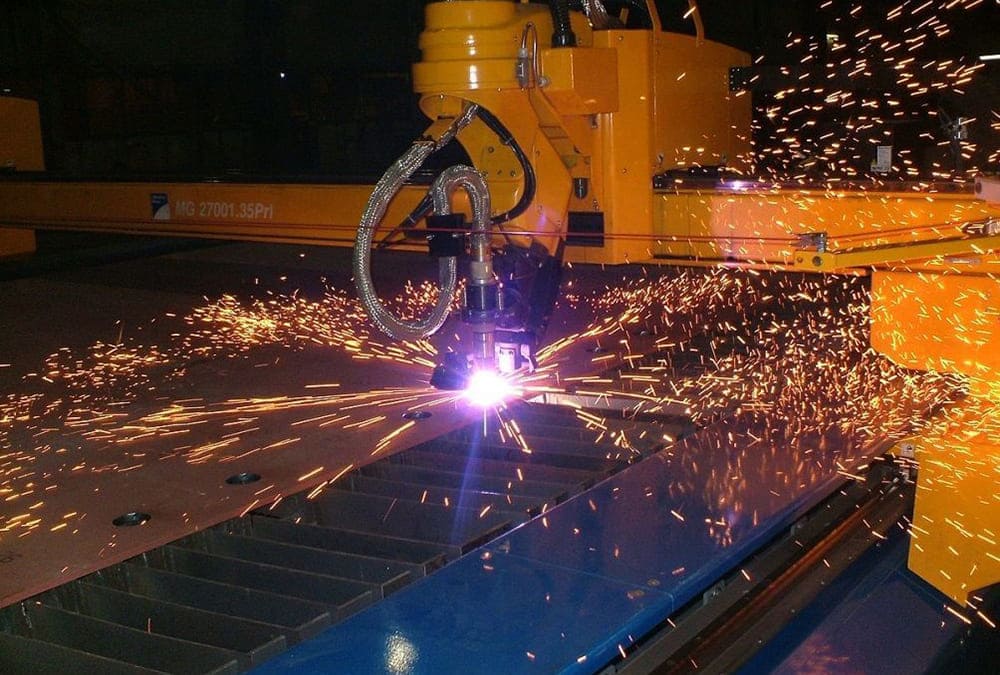
Power and Cost Calculations
Power consumption can be measured and converted to cost using the following formula:
- Power (watts): Voltage × Current × Time
- Energy Cost (kWh): (Watts ÷ 1,000) × Hours × Cost per kWh
Example calculations
- Low power cutting:
- 30A at 120V for 2 hours: 30×120×2=7,20030 × 120 × 2 = 7,20030×120×2=7,200 watts or 7.2 kWh.
- High Power Cutting:
- 80A at 240V for 1 hour: 80×240×1=19,20080 × 240 × 1 = 19,20080×240×1=19,200 watts or 19.2 kWh.
Additional Considerations
- Idle Power Consumption: Machines use energy even when they are not actively cutting.
- Duty Cycle: Operating beyond the recommended duty cycle increases energy waste and the risk of overheating.
By monitoring energy use with digital tools, operators can identify inefficiencies and reduce waste.
Plasma Cutters vs. Other Metal Cutting Tools
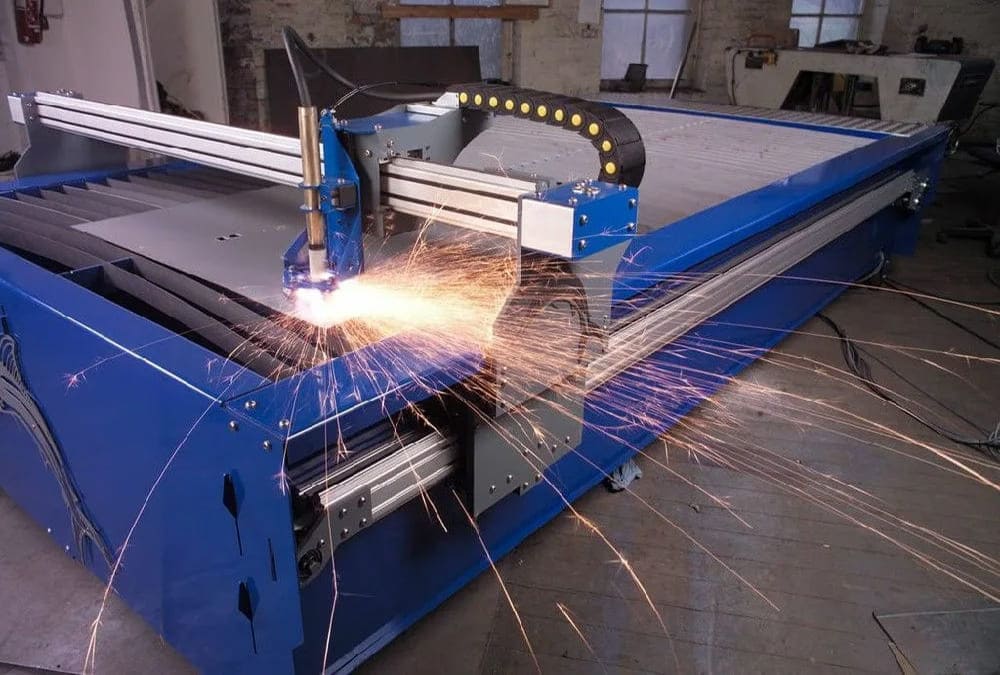
Plasma vs. Oxy-Fuel
- Energy Efficiency: Plasma cutters consume electricity, while oxyfuel systems rely on gas. For thin materials, plasma is more energy efficient.
- Cost Comparison: Oxyfuel cutters have a lower initial cost, but higher operating costs due to fuel consumption.
Plasma vs. Laser Cutting
- Precision: Laser cutters excel in precision but consume more energy.
- Application: Plasma cutters are better for thicker materials and rough cuts.
Decision Guide: Plasma cutters are versatile and cost-effective for most metalworking tasks, while laser cutters are ideal for intricate designs.
Practical Strategies for Optimizing Plasma Cutting Energy Use
Optimizing energy use requires attention to machine settings, maintenance, and operating practices.
Optimizing Settings
- Select the appropriate amperage and voltage for each type of material to avoid wasting energy.
Maintenance Tips
- Replace worn nozzles and electrodes to maintain efficiency.
- Regularly check the air compressor for leaks.
Equipment upgrades
- Invest in advanced plasma cutters with energy-saving features such as auto shutdown and adaptive arc control.
Operational Best Practices
- Shut down machines when not in use.
- Plan cutting paths carefully to avoid repeated passes.
- Use nesting software to maximize material utilization.
Emerging trends in energy efficient plasma cutting
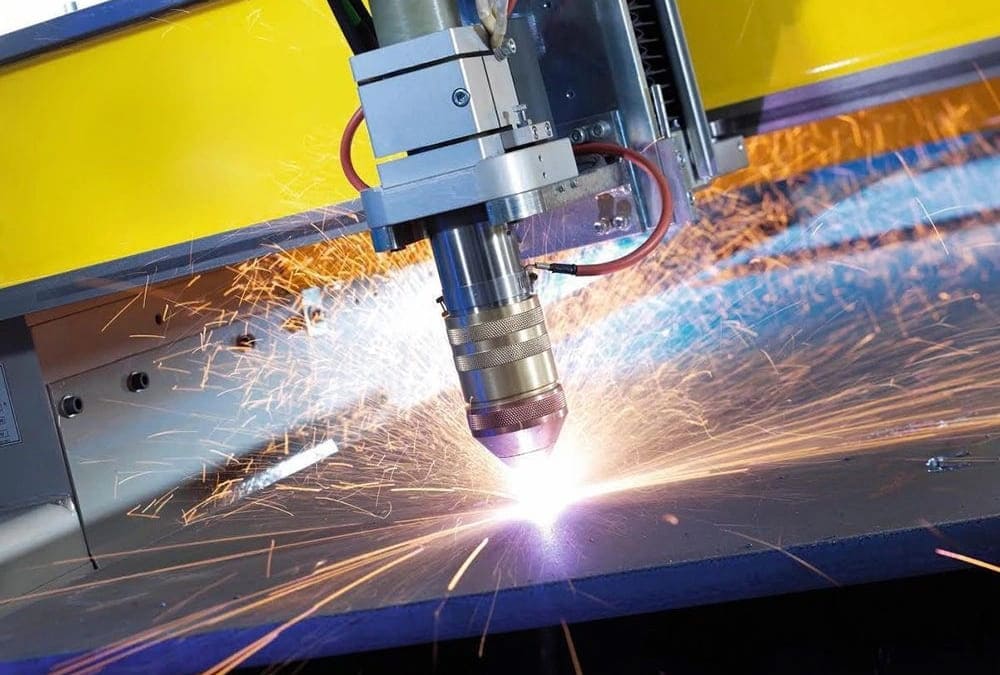
Emerging Technologies
- Intelligent Plasma Cutters: AI-driven systems optimize settings in real time, improving efficiency.
- Hybrid Systems: Plasma-laser combinations offer superior precision and energy savings.
Sustainability Initiatives
- Innovations in cutting gases and integrating renewable energy are driving sustainability.
Future innovations
Advances in torch design, energy storage and automation are expected to further reduce energy consumption in the coming years.
Conclusion: The Road to Smarter Plasma Cutting
Power consumption is a critical factor in the overall efficiency and sustainability of plasma cutting. By selecting the right tools, optimizing settings and maintaining equipment, operators can significantly reduce energy costs while minimizing their impact on the environment.
Adopting energy-efficient practices and staying abreast of new technologies will ensure a smarter, more sustainable future for the metalworking industry.