In recent years, Computer Numerical Control (CNC) cutting has become one of the most popular and efficient methods of manufacturing and design. From metal fabrication to woodworking, CNC cutting is used in various industries for precision, efficiency, and ease of production. Whether you're a hobbyist just getting started or a manufacturing professional, understanding CNC cutting is essential. This guide will introduce you to the basics of CNC cutting, its benefits, and its many applications.
What is CNC cutting?
CNC cutting is a manufacturing process that uses computer-controlled machines to cut various materials with precision and accuracy. The term CNC stands for "Computer Numerical Control," which refers to the process of controlling machines through pre-programmed software. In CNC cutting, a machine interprets numerical data to move a cutting tool along specified paths to shape and cut materials.
Unlike traditional cutting, which often requires manual control and can be prone to error, CNC cutting uses precise coordinates provided by a computer program to guide the machine. This allows intricate designs to be cut with a level of detail and accuracy that would be difficult or impossible to achieve by hand.
How does CNC cutting work?
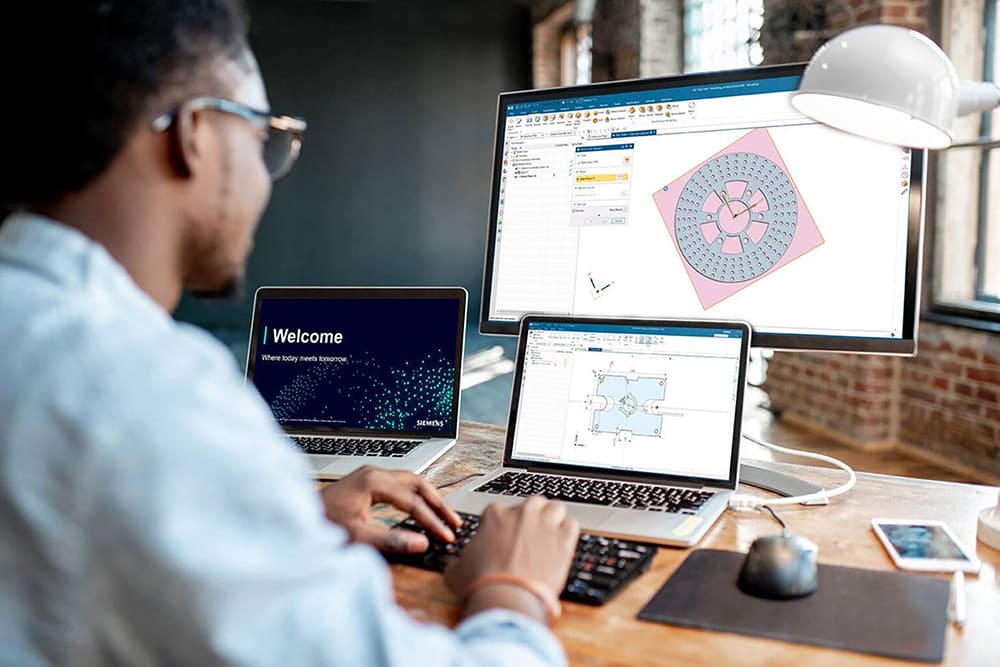
At its core, CNC cutting works by converting digital designs into instructions that a machine can follow. Here's a breakdown of the process:
- Design Creation: The process begins with the creation of a digital design, usually in a CAD (Computer-Aided Design) program. The design is then converted into a format compatible with CNC machines, often using CAM (Computer-Aided Manufacturing) software.
- Toolpath Generation: The software generates a toolpath, which is a sequence of movements for the cutting tool. The path contains precise coordinates that guide the tool to cut the material to the desired shape and dimensions.
- Material Setup: The material to be cut is securely mounted on the machine's cutting bed or table. Materials can vary from metal and plastic to wood and foam, depending on the application.
- Cutting Process: The CNC machine follows the programmed tool path and controls the movements of the cutting tool to create the desired part or design. The tool moves in multiple directions (X, Y, and Z axes) to cut the material into the specified shape.
- Finishing: After cutting is complete, the part may require further refinement, such as grinding, polishing, or other finishing operations, to achieve the final product.
Types of CNC Cutting Machines

CNC cutting is not limited to one type of machine. Different types of CNC machines are used depending on the material and application. Here are some common CNC cutting machines:
- CNC Plasma Cutters: These machines use a plasma torch to cut through electrically conductive materials such as steel, aluminum, and brass. Plasma cutters are ideal for cutting thick sheets of metal with speed and precision.
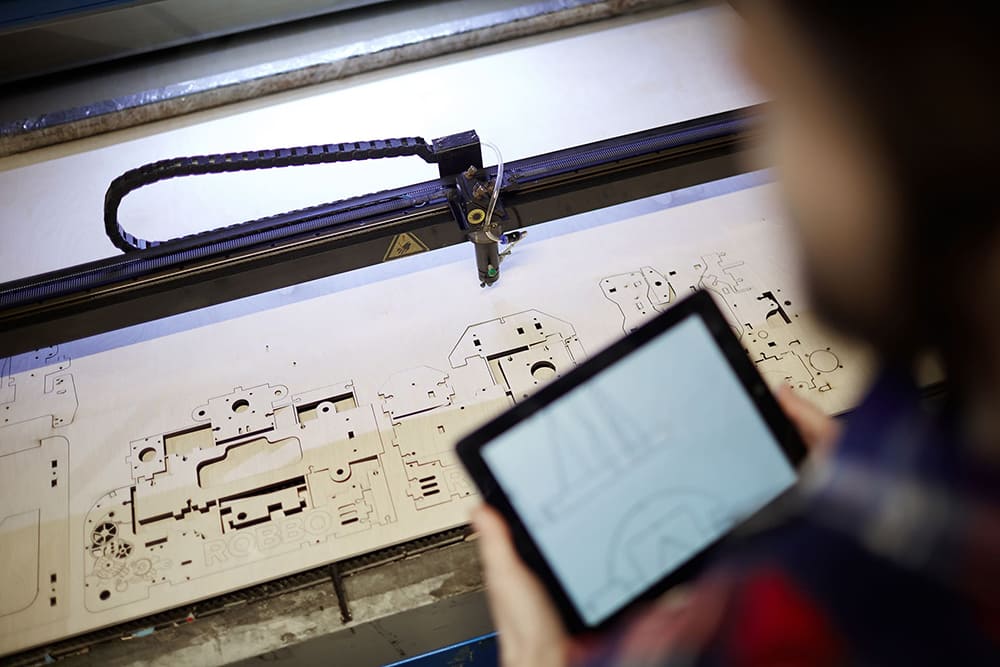
- CNC Laser Cutters: Laser cutting machines use a focused laser beam to cut materials such as metal, plastic, wood, and fabric. Laser cutting is known for its precision and ability to create intricate designs.
- CNC Water Jet Cutters: These machines use a high-pressure stream of water, sometimes mixed with an abrasive, to cut through various materials. Waterjet cutting is versatile and can be used on materials that can be damaged by heat, such as glass or stone.
- CNC Milling Machines: CNC milling involves the removal of material from a workpiece using rotating cutting tools. Milling machines are used to create complex shapes and designs in metal, wood and plastic.
- CNC Routers: Routers are similar to milling machines, but are often used to cut softer materials such as wood, foam, and plastic. CNC routers are popular with hobbyists and small businesses for custom woodworking and sign making.
Advantages of CNC Cutting

CNC cutting offers many advantages over traditional cutting methods. Here are some of the key benefits:
- Precision and accuracy: One of the main advantages of CNC cutting is its high level of precision. CNC machines can follow precise measurements and instructions, resulting in highly accurate cuts and designs. This makes CNC cutting ideal for industries that require tight tolerances, such as aerospace and automotive.
- Consistency: Once a design is programmed into the CNC machine, it can be repeated with the same precision over and over again. This consistency is critical for mass production, where identical parts are needed in large quantities.
- Complex Designs: CNC cutting enables the creation of complex and intricate designs that would be difficult to achieve with manual cutting. Whether it's intricate patterns in metal or precise engravings in wood, CNC machines can handle a wide range of design challenges.
- Efficiency: CNC machines are faster and more efficient than manual cutting methods. They can work continuously, reducing the time required to complete large projects. This makes CNC cutting a cost-effective option for companies looking to increase productivity.
- Safety: CNC machines reduce the need for manual labor and the associated risk of injury. Operators do not need to be physically involved in the cutting process because the machine performs the task automatically, minimizing the risk of accidents.
- Versatility: CNC cutting can be used on a wide range of materials, from metals and plastics to wood and foam. This versatility makes CNC machines suitable for a variety of industries, including manufacturing, engineering and design.
Applications of CNC Cutting
CNC cutting is used in many industries, providing solutions for both large manufacturers and individual designers. Here are some common applications:
- Metal Fabrication: CNC cutting is widely used in metal fabrication to create parts and components for industries such as automotive, aerospace, and construction. Metal fabricators rely on CNC machines for tasks such as cutting, welding, and shaping metal parts.
- Woodworking: CNC routers are popular in the woodworking industry for creating custom furniture, cabinetry, and decorative elements. Hobbyists and small business owners also use CNC routers to create signs, home décor, and artwork.
- Prototyping: CNC machines are often used to create prototypes of new products. Engineers and designers can quickly create models to test form, fit and function before moving to mass production.
- Custom Signage: CNC cutting is often used to create custom signs for businesses, events, and public spaces. Materials such as wood, metal, and acrylic can be precisely cut and engraved to produce high-quality, durable signs.
- Jewelry Making: CNC technology has even found its way into the jewelry industry. CNC machines can cut and engrave intricate patterns in precious metals, allowing jewelers to create custom and unique pieces.
- Architecture and Construction: CNC cutting is used in the construction industry to create architectural models, metal frameworks, and decorative elements for buildings. CNC machines can precisely cut materials such as steel, aluminum, and stone that are commonly used in construction.
CNC Cutting for Hobbyists
While CNC machines are commonly associated with large-scale manufacturing, they are also accessible to hobbyists and small-scale manufacturers. In recent years, smaller, affordable CNC machines have become available, allowing hobbyists to create custom designs in their own workshops.
Some popular CNC projects for hobbyists include
- Custom woodworking (e.g. furniture, shelving and decor)
- Metal art (i.e. sculptures, fire pits, and backyard decor)
- Personal projects (such as engraving, model making and signs)
Bottom Line
CNC machining is a versatile and efficient manufacturing process that has revolutionized industries such as metalworking, woodworking and design. From precision and accuracy to the ability to handle complex designs, CNC machines offer countless benefits to professionals and hobbyists alike.
Whether you are a seasoned manufacturing expert or a hobbyist just getting started, understanding the basics of CNC cutting can open up new possibilities for your projects. As technology continues to advance, CNC cutting will undoubtedly remain a cornerstone of modern manufacturing and design, enabling faster, more accurate, and more creative solutions in a wide range of applications.