The fields of laser and plasma cutting are evolving rapidly, driven by technological advances that improve precision, speed and efficiency. New equipment and techniques are enabling manufacturers to achieve higher productivity and meet the demands of increasingly complex designs. As industries such as aerospace, automotive and electronics continue to grow, staying abreast of the latest innovations in cutting technology is essential for companies looking to maintain a competitive edge.
This article explores the latest technological developments in both laser and plasma cutting, highlighting new equipment, improved automation and the integration of smart technologies. We will also discuss how these innovations are reshaping the metalworking industry and creating new opportunities for sustainable manufacturing.
Innovations in laser cutting technology

1. High Speed Fiber Lasers
Recent advances in fiber laser technology have resulted in machines with significantly higher cutting speeds. Unlike traditional CO2 lasers, fiber lasers are more energy efficient and can easily cut reflective metals such as aluminum and copper. Manufacturers now benefit from reduced production time, increased throughput and lower operating costs.
- Example: New-generation fiber lasers can cut 3 mm stainless steel three times faster than older CO2 systems, making them ideal for high-volume automotive and industrial manufacturing.
2. Ultra-short pulse (USP) lasers
Ultra-short pulse lasers emit bursts that last picoseconds or femtoseconds, enabling precise cuts with minimal heat transfer to the surrounding material. This innovation reduces the heat-affected zone (HAZ) and is ideal for cutting sensitive materials such as thin films or electronic components.
- Applications: USP lasers are increasingly used in microelectronics and medical device manufacturing where precision is paramount and material properties must remain unchanged.
3. Automated laser systems with IoT integration
Automation has become a cornerstone of modern laser cutting. Machines are now integrated with IoT (Internet of Things) platforms, enabling real-time monitoring of operations, predictive maintenance and remote control. This smart connectivity ensures higher productivity and reduces downtime by identifying potential problems before they cause disruptions.
- Case Study: An IoT-integrated laser cutting facility reduced downtime by 30% through predictive maintenance alerts, avoiding costly delays.
4. Adaptive optics and self-focusing lasers
Some modern laser systems are equipped with adaptive optics that can automatically adjust the laser focus in real time. This feature ensures consistent cutting quality, even on materials with uneven surfaces, and minimizes errors caused by small shifts in the workpiece.
- Benefit: Self-focusing lasers increase precision and reduce the need for manual adjustments, improving overall efficiency.
Innovations in plasma cutting technology
1. High Definition Plasma (HD Plasma)
High-definition plasma cutting has revolutionized the industry by providing near-laser precision on thicker materials. HD plasma systems produce cleaner, sharper edges than standard plasma cutters, reducing the need for secondary operations. This makes plasma cutting more viable for applications where aesthetic finish and accuracy are essential.
- Example: In heavy equipment manufacturing, HD plasma cutting is used to produce structural components with precise edges, eliminating the need for grinding or sanding.
2. Automated Plasma Cutting with CNC Integration
Today's plasma cutting machines are integrated with computer numerical control (CNC) systems that provide precise motion along the cutting path. This automation allows manufacturers to achieve consistent quality over long production runs. CNC plasma systems can also store multiple cutting programs, allowing quick transitions between different jobs.
- Application: CNC plasma cutters are widely used in shipbuilding and construction where fast and accurate cutting of thick steel plates is essential.
3. New gas mixtures for cleaner cuts
Innovative gas mixtures such as argon-hydrogen and nitrogen-oxygen have been introduced to improve the quality of plasma cutting. These gases reduce slag formation, minimize heat affected zones and improve edge quality, especially on stainless steel and aluminum.
- Benefit: Improved gas mixtures allow plasma cutters to achieve results comparable to laser systems, especially on thicker materials.
4. Portable and Compact Plasma Systems
Advances in miniaturization have led to the development of compact and portable plasma cutting systems. These systems are ideal for on-site cutting operations and small workshops, providing the power of plasma cutting in a more accessible and user-friendly form.
- Use case: Portable plasma cutters are widely used in the construction and repair service industries where mobility and versatility are key.
Sustainable innovations in cutting technology
1. Energy Efficient Lasers and Plasma Systems
Manufacturers are now focusing on energy-efficient designs to reduce the environmental impact of cutting technologies. Fiber lasers consume significantly less power than CO2 lasers, while new plasma systems operate more efficiently with optimized gas usage.
- Impact: These innovations lower production costs and help companies meet sustainability goals by reducing energy consumption and emissions.
2. Recycling and Waste Management
Modern laser and plasma systems are designed to minimize waste by optimizing material usage. Some machines feature nesting algorithms that arrange parts on sheets of metal to minimize scrap. In addition, advances in waste recovery allow better reuse of metal scraps and cutting by-products.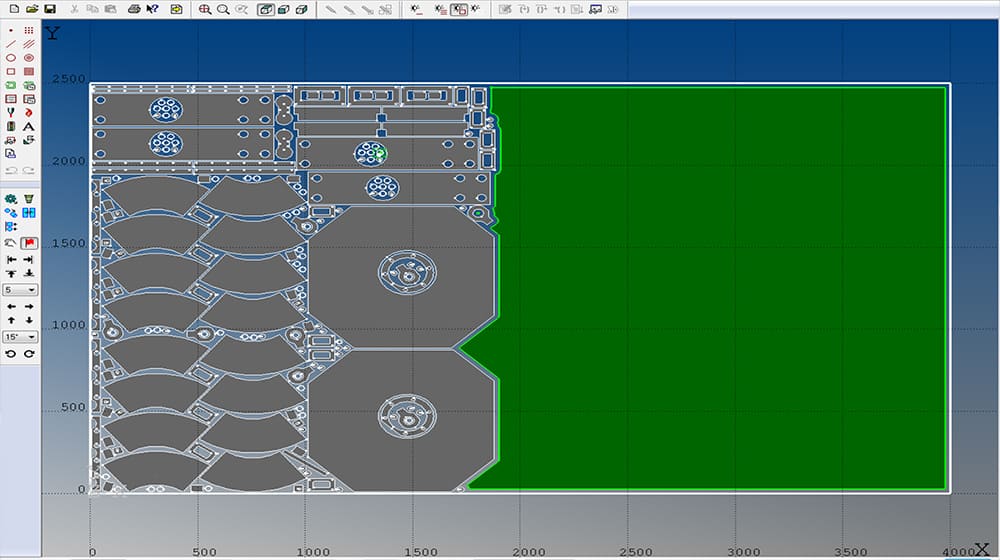
- For example: One metalworking shop implemented waste management practices and reduced material waste by 20%, contributing to both cost savings and environmental sustainability.
3. AI-based optimization
The integration of artificial intelligence (AI) is transforming cutting technologies by optimizing cutting paths, predicting maintenance needs and reducing material waste. AI algorithms analyze cutting patterns and recommend improvements to ensure maximum efficiency.
- Case Study: A manufacturing facility using AI-driven laser cutters saw a 15% reduction in material waste and a 10% increase in cutting speed.
Future Trends in Metal Cutting Technologies
1. Hybrid systems combining laser and plasma cutting
Some manufacturers are experimenting with hybrid systems that combine the strengths of laser and plasma cutting. These systems allow operators to switch between laser and plasma cutting modes depending on the material and thickness, providing greater flexibility and cost efficiency.
- For example, a hybrid cutting machine can use plasma for thick structural steel and switch to laser mode for thin, precise components, streamlining the production process.
2. Automation and Robotics
The integration of robotic arms with laser and plasma cutters is becoming more common, especially in industries such as automotive and aerospace. Robots improve accuracy and enable complex 3D cutting operations, expanding the capabilities of traditional cutting technologies.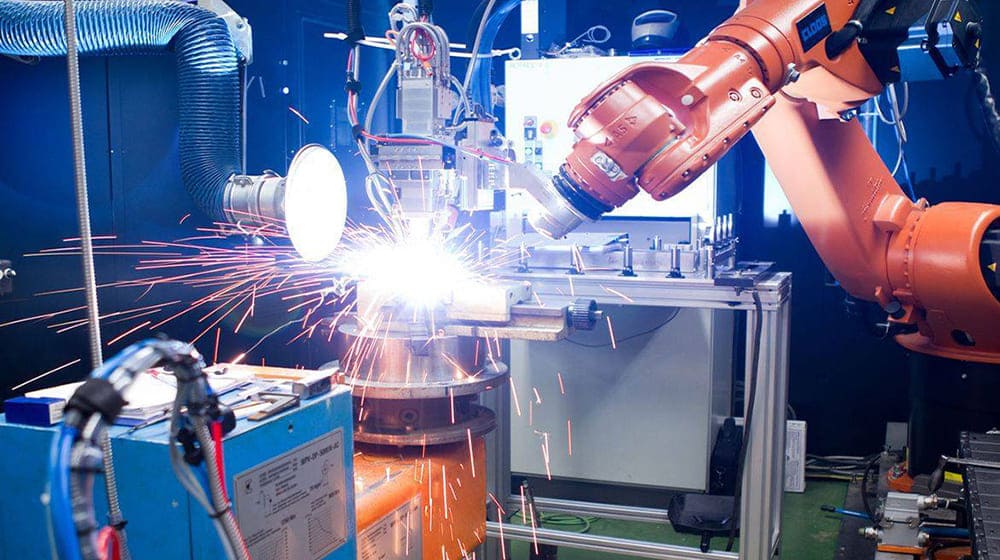
- Application: Robotic plasma cutters are used to cut complex shapes from thick steel beams for construction projects.
3. Augmented Reality (AR) for Training and Operations
Some companies are using AR technology to train operators and streamline cutting processes. AR systems overlay digital instructions on the real-world environment, helping operators position materials correctly and avoid errors during cutting.
- Benefits: AR improves operator efficiency and reduces setup times, increasing overall productivity.
Conclusion
The landscape of metal cutting technologies is evolving rapidly, with both laser and plasma cutting systems benefiting from significant innovations. High-speed fiber lasers, ultra-short pulse technology, and IoT integration are pushing laser cutting to new heights, offering unmatched precision and efficiency. Meanwhile, plasma cutting continues to thrive with high-definition systems, improved gas mixtures, and compact designs, making it a reliable solution for heavy-duty applications.
Sustainable manufacturing practices and the integration of AI are also shaping the future of these technologies, helping businesses reduce waste and lower operational costs. As hybrid systems and robotics become more prevalent, companies will have even more flexibility to tackle a wide range of cutting challenges.
For manufacturers looking to stay ahead of the curve, adopting these cutting-edge technologies will be essential. Whether focusing on precision laser cutting or high-powered plasma systems, the latest innovations ensure that businesses can meet the demands of modern production with greater speed, efficiency, and sustainability.