How to Maintain Laser and Plasma Metal Cutting Equipment
Efficient energy use and proper maintenance of laser and plasma cutting equipment are critical to reducing operating costs, extending machine life and ensuring quality output. This article provides practical strategies for optimizing energy consumption in metal cutting operations and offers a comprehensive guide to the proper maintenance of laser and plasma cutting systems.
Optimizing Energy Consumption in Laser and Plasma Cutting

Minimizing energy consumption not only reduces costs, but also contributes to sustainable manufacturing practices. Several factors affect energy consumption, including equipment settings, material thickness, cooling requirements and gas consumption. The following are practical recommendations for improving the energy efficiency of metalcutting operations.
1. Choose the right cutting technology for the job
- Laser cutting is more energy efficient for thin materials (up to 10-15 mm) due to its precision and minimal waste. In particular, fiber lasers offer higher energy efficiency compared to CO₂ lasers.
- Plasma cutting is better suited for thicker metals (over 15 mm) and can reduce energy consumption by completing cuts faster in heavy materials. Selecting the appropriate cutting technology for each application prevents unnecessary energy waste.
2. Use fiber lasers instead of CO₂ lasers

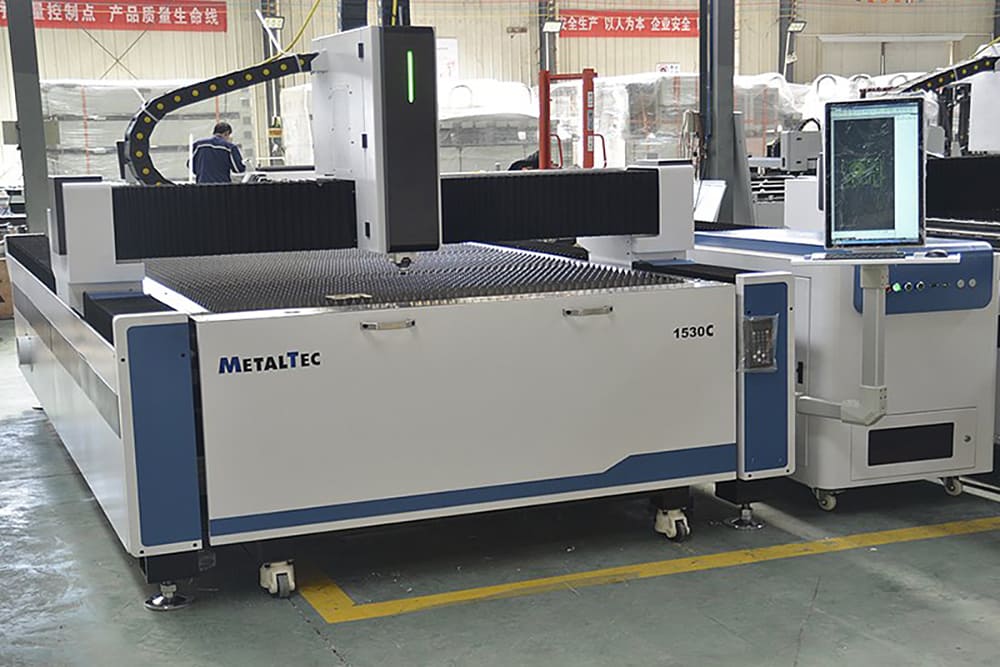
- Fiber lasers convert approximately 40-50% of the input energy into cutting power, while CO₂ lasers typically convert only 10-15%. Fiber lasers also require less cooling and maintenance, helping to reduce energy consumption and downtime.
- Upgrading to fiber laser systems can significantly reduce power consumption over time, especially in facilities with continuous production.
3. Optimize power and speed settings
- Adjusting Power and Speed based on material thickness minimizes energy consumption without compromising cut quality. Higher power levels are required for thicker materials, but using excessive power on thin sheets wastes energy.
- Automated CNC machines with real-time adjustments can ensure optimal performance with minimal energy consumption. Performing test cuts before large operations helps fine-tune these settings.
4. Reduce idle time with standby modes
Modern cutting machines are equipped with standby or eco modes that reduce power consumption during periods of inactivity. Activating these modes when the machine is not in use can reduce overall electricity costs.
- Scheduled production breaks can be coordinated with machine sleep modes to avoid unnecessary energy consumption during downtime.
- Operators should be trained to promptly switch machines to standby when not in use.
5. Optimize Gas and Cooling System Usage
- Plasma cutters often require gases such as oxygen, nitrogen, or compressed air to generate the plasma arc. Optimizing gas flow rates according to cutting requirements ensures efficient use.
- Use water cooling systems with variable speed pumps to regulate energy use, especially for plasma systems. Fiber lasers, which require less cooling, further reduce energy costs.
6. Implement Nesting Software for Material Optimization
Nesting software efficiently arranges parts on sheets of metal, minimizing waste and reducing total cutting time. This results in lower energy consumption because shorter operations use less energy. Nesting software can also improve material utilization, reducing costs and environmental impact.
Maintenance Tips for Laser and Plasma Cutting Equipment
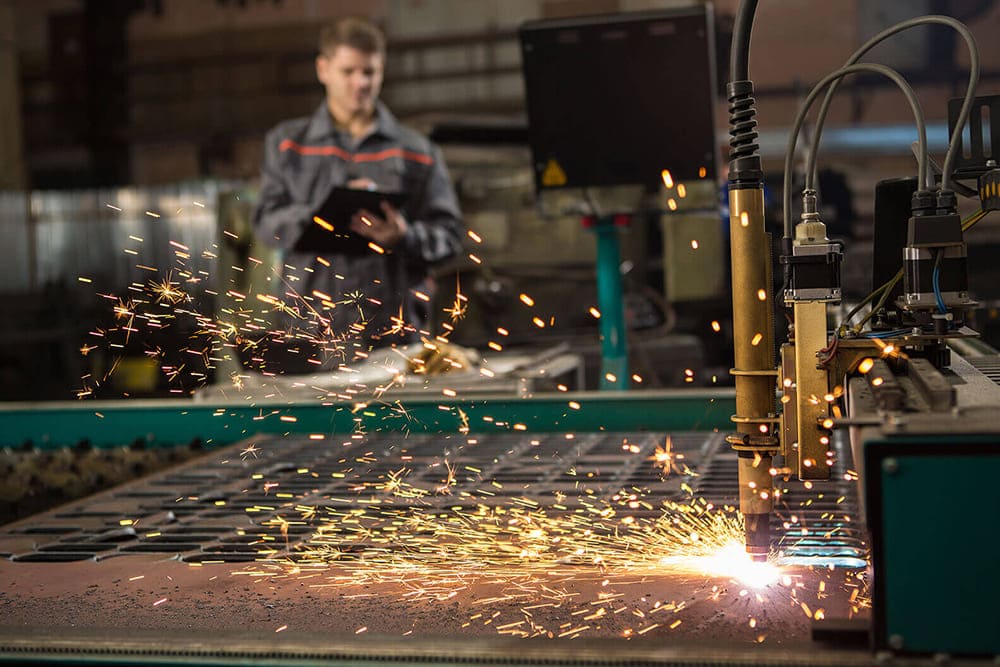
Proper maintenance extends the life of cutting equipment, ensures consistent performance, and prevents energy loss due to equipment malfunction. The following are guidelines for maintaining both laser and plasma cutting systems.
1. Laser Cutting Equipment Maintenance
Laser systems, especially fiber and CO₂ lasers, require regular maintenance to keep the optics, alignment, and cooling systems in optimal condition. Neglecting maintenance can result in misaligned beams, increased power consumption, and poor cut quality.
- Clean and align optics regularly: Dust or debris on the lenses or mirrors can reduce beam quality and efficiency. Regular cleaning keeps the laser beam focused and minimizes energy loss.
- Check and calibrate beam alignment: Misaligned beams result in incomplete cuts or poor edge quality, requiring rework and wasting energy. Perform regular alignment checks to ensure accuracy.
- Maintain the cooling system: Ensure that the cooling unit is operating efficiently to prevent overheating, which can cause machine downtime. Fiber lasers require less cooling, but water filters and pumps should still be routinely inspected to ensure optimal performance.
- Monitor output and replace components: Over time, laser sources degrade and produce less power. Monitoring output and replacing aging components in a timely manner will keep power consumption at expected levels.
- Lubricate Moving Parts: Lubricate all moving parts, such as the gantry and drive motors, to reduce friction and maintain smooth operation. This will ensure the machine uses less power.
2. Plasma Cutting Equipment Maintenance
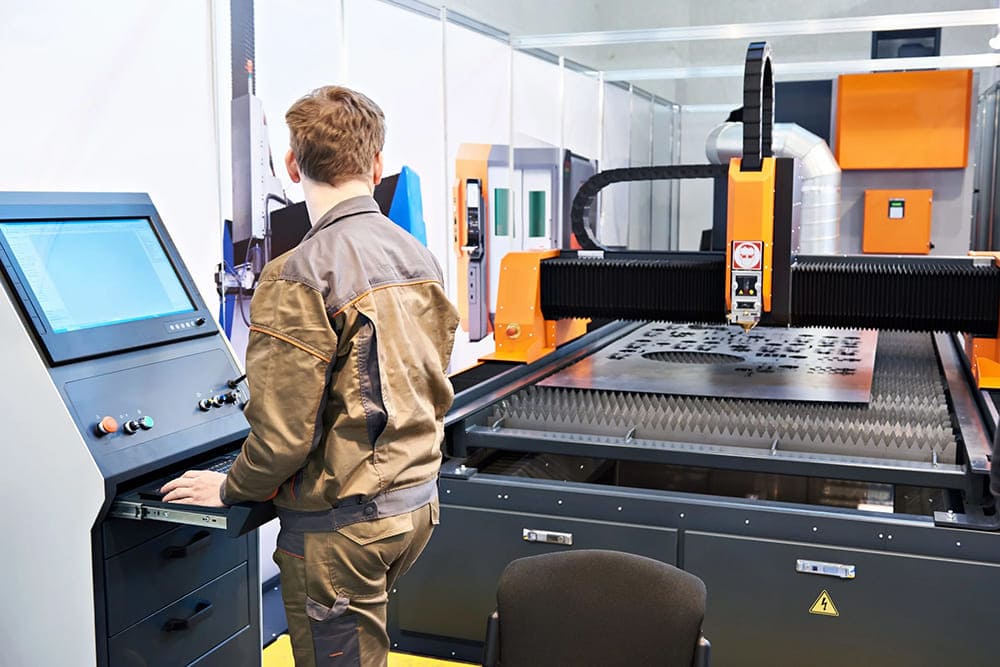
Plasma cutters are rugged machines, but they require regular maintenance to ensure efficiency and minimize energy waste. Proper maintenance also prevents costly downtime and ensures quality cuts.
- Inspect and replace nozzles and electrodes: Worn nozzles and electrodes cause unstable arcs, resulting in poor cuts and increased gas consumption. Inspect and replace these parts regularly to maintain cutting efficiency.
- Check gas flow and filters: Improper gas flow will affect cut quality and can increase energy consumption. Monitor gas pressure and make sure filters are clean to prevent obstructions in the gas lines.
- Clean and align torch heads: A misaligned or clogged torch head can result in uneven cuts and wasted energy. Clean the torch regularly and make sure it is properly aligned with the material.
- Inspect Cooling Systems: Plasma cutters generate significant heat, so the cooling system must operate efficiently. Check water lines and pumps to prevent overheating, which can damage the machine and cause power surges.
- Lubricate and Tighten Drive Systems: Mechanical components such as gears and bearings should be lubricated to reduce friction and wear. Tighten any loose parts to avoid unnecessary stress on motors, which can increase energy consumption.
Preventive Maintenance and Energy Monitoring Systems

Implementing preventive maintenance programs helps identify potential issues before they escalate into costly repairs. Regular inspections, cleaning schedules, and part replacements extend the lifespan of equipment and ensure optimal energy usage. Companies can use the following strategies:
- Create a Maintenance Schedule:
Develop a calendar for routine inspections and part replacements based on the manufacturer’s recommendations. Assign tasks to operators and track maintenance activities to ensure nothing is missed. - Use Energy Monitoring Systems:
Energy monitoring tools provide insights into the energy consumption patterns of cutting equipment. By analyzing these patterns, companies can identify inefficiencies and adjust processes to reduce power usage. - Train Operators in Proper Handling:
Well-trained operators can detect early signs of equipment wear and ensure that machines are operated efficiently. Training should include energy-saving practices and proper use of standby modes.
Case Study: Effective Maintenance and Energy Optimization
A metal fabrication company using both plasma and fiber laser cutters faced high operational costs due to poor maintenance practices and energy inefficiencies. By implementing the following strategies, the company achieved significant improvements:
- Energy Savings: The company introduced standby modes during idle periods, reducing energy consumption by 15%.
- Lower Maintenance Costs: Regular nozzle and electrode replacement on plasma cutters reduced gas usage by 20%.
- Increased Machine Uptime: Preventive maintenance schedules minimized breakdowns, improving productivity by 10%.
- Optimized Cutting Parameters: Operators fine-tuned power settings and gas flow, leading to a 12% reduction in energy consumption without compromising cut quality.
Conclusion
Optimizing energy consumption and maintaining cutting equipment properly are essential for improving productivity, reducing costs, and extending machine life. Fiber lasers offer superior energy efficiency compared to CO₂ lasers, while plasma cutting remains the better option for thicker metals. Implementing best practices such as standby modes, nesting software, and preventive maintenance ensures that both laser and plasma systems operate at peak efficiency.
Regular maintenance, including cleaning optics, replacing nozzles, and monitoring gas flow, keeps equipment in top condition. Companies should also invest in energy monitoring systems to identify inefficiencies and optimize processes further. Through these efforts, businesses can achieve sustainable operations, reduce energy costs, and maintain high-quality production.