Appropriate personal protective equipment (PPE) is essential to minimize the risks associated with laser and plasma cutting. Different PPE is required depending on the specific process being used.
For laser cutting:
- Laser safety eyewear: Choose goggles with lenses rated for the specific wavelength of the laser being used, as not all goggles provide protection from all types of laser beams.
- Gloves: Use heat-resistant gloves when handling materials after cutting.
- Protective Clothing: Wear flame-resistant clothing to prevent burns from accidental exposure to sparks or hot materials.
For plasma cutting:
- Welding helmet or face shield: Use a shield with an auto-darkening feature to protect against the intense light and UV radiation from the plasma arc.
- Gloves and Gauntlets: High-voltage and heat-resistant gloves are necessary to prevent burns and shocks.
- Flame resistant clothing: Avoid synthetic fabrics that can melt on the skin; instead, wear natural materials that have been treated with flame retardant coatings.
Ensuring that all operators wear appropriate PPE is a basic but critical safety measure.
Machine Setup and Workplace Safety
Creating a safe work environment plays an important role in preventing accidents during laser and plasma cutting operations. A well-organized environment reduces risk and ensures smooth machine operation.
Key Safety Tips for Machine Setup and Workspace
- Adequate Ventilation: Ensure that the area is equipped with ventilation or exhaust systems to prevent the buildup of toxic gases.
- Fire Safety: Remove all flammable materials from the work area, including solvents, oils, and combustible materials. Keep fire extinguishers (Class C for electrical fires and Class D for metal fires) readily available.
- Proper machine placement: Install laser and plasma cutting machines on stable, vibration-free surfaces to prevent alignment problems and accidents.
- Cable Management: Organize and secure all cables to prevent trip hazards or accidental disconnections that could interrupt the cutting process.
By addressing these setup elements, operators can minimize the risk of accidents and maintain a safe work area.
Laser-Specific Safety Precautions
Laser cutting systems, especially those using high-power CO2 or fiber lasers, require strict adherence to safety protocols due to the intensity of the laser beam.

Critical Laser Cutting Safety Measures:
- Beam Enclosure: Use fully enclosed cutting systems whenever possible to contain the beam and prevent accidental exposure to reflected laser light.
- Laser Interlock Systems: Install interlocks that disable the laser if the enclosure is opened during operation.
- Warning Signs: Clearly mark areas of laser activity to alert personnel to potential hazards.
- Monitor the beam path: Periodically check for beam misalignment that could cause accidental exposure or damage to components.
Lasers can cut through metal with ease, but the same beam can also cause serious injury. Proper safety measures ensure that the cutting power is directed only at the intended material.
Plasma Cutting Safety Guidelines
Plasma cutting involves additional risks because it uses high voltage and generates intense heat. Operators must take special precautions to prevent accidents.

Important Plasma Cutting Safety Tips:
- Grounding and Insulation: Ensure the machine is properly grounded to prevent electric shock. Avoid working in wet or damp conditions that can increase the risk of electric shock.
- Torch Maintenance: Inspect the torch and its components for signs of wear, such as damaged nozzles or electrodes, which can cause erratic arcing or blowback.
- Water Tables: When using a water table to reduce heat and fumes, make sure the water level is properly maintained to avoid unexpected electrical hazards.
- Arc Flash Prevention: Use proper shielding to protect surrounding workers from arc flashes, which can cause temporary or permanent eye damage.
Plasma cutting offers exceptional efficiency, but it requires strict attention to electrical safety and proper maintenance practices.
Electrical Safety Considerations
Both laser and plasma cutting machines rely on electrical components that present potential hazards. Operators must be aware of the risk of electric shock and fire.
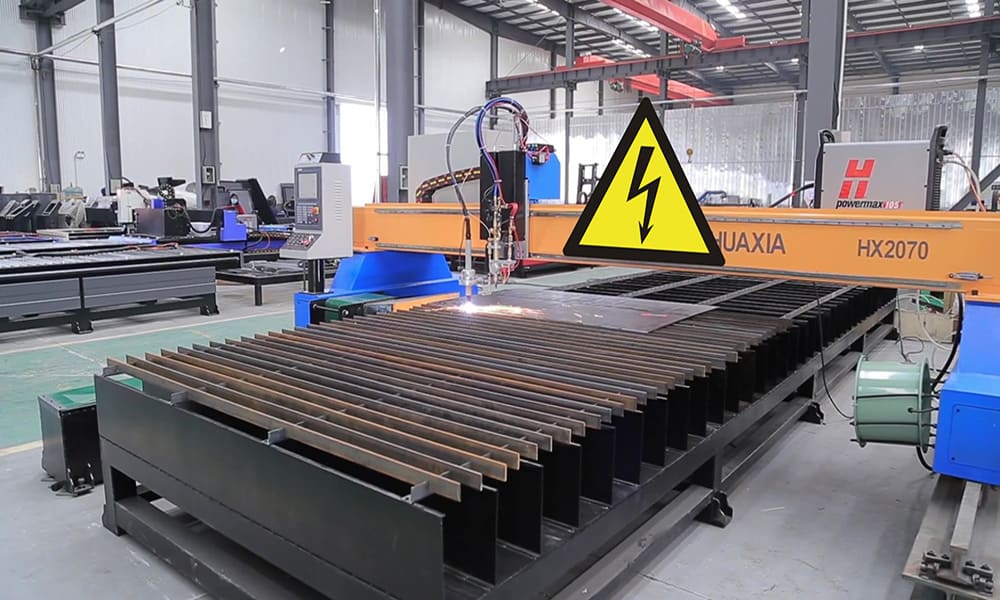
Basic Electrical Safety Practices:
- Power Isolation: Always disconnect the equipment from the power source before performing maintenance or repairs.
- Periodic Inspections: Check for frayed cables, loose connections, or exposed wiring that can cause electrical faults or short circuits.
- Surge protection: Install surge protectors to prevent damage to sensitive equipment from power fluctuations.
- Lockout/Tagout (LOTO) training: Ensure that operators understand and follow LOTO procedures to prevent accidental startup of equipment during maintenance.
These precautions ensure the safety of both operators and equipment.
Handling Fumes and Toxic Emissions
Cutting metals such as stainless steel, aluminum, or galvanized steel can release hazardous fumes containing zinc, chromium, or other toxic elements. Long-term exposure to these fumes can cause serious health problems, including respiratory problems.
Tips for managing fumes and emissions
- Fume Exhaust Systems: Install high-efficiency exhaust systems to remove airborne particles from the cutting area.
- Local exhaust ventilation (LEV): Use LEV systems to capture fumes directly at the source.
- Air Quality Monitoring: Monitor indoor air quality regularly to ensure compliance with occupational health standards.
- Respiratory Protection: If ventilation is inadequate, provide operators with metal fume respirators.
Proactively managing fumes helps prevent health hazards and ensures compliance with environmental regulations.
Fire Safety and Emergency Preparedness
Because of the high temperatures involved, both laser cutting and plasma cutting present fire hazards. Operators must take fire safety seriously and be prepared for emergencies.

Fire Safety Tips:
- Spark Containment: Use spark arrestors or barriers to prevent sparks from spreading to nearby areas.
- Fire Watch: Assign a fire watch during cutting operations, especially on large projects or when working near combustible materials.
- Emergency Shutdown Procedures: Train operators to quickly shut down machines in the event of a fire or other emergency.
- Evacuation Plans: Develop and regularly practice evacuation procedures to ensure that all employees know how to respond in an emergency.
A proactive approach to fire safety minimizes risk and ensures rapid response in the event of an incident.
Training and Continuous Improvement
Operator training is a critical component of safety when using laser and plasma cutting equipment. Even experienced professionals benefit from ongoing education and skill development.
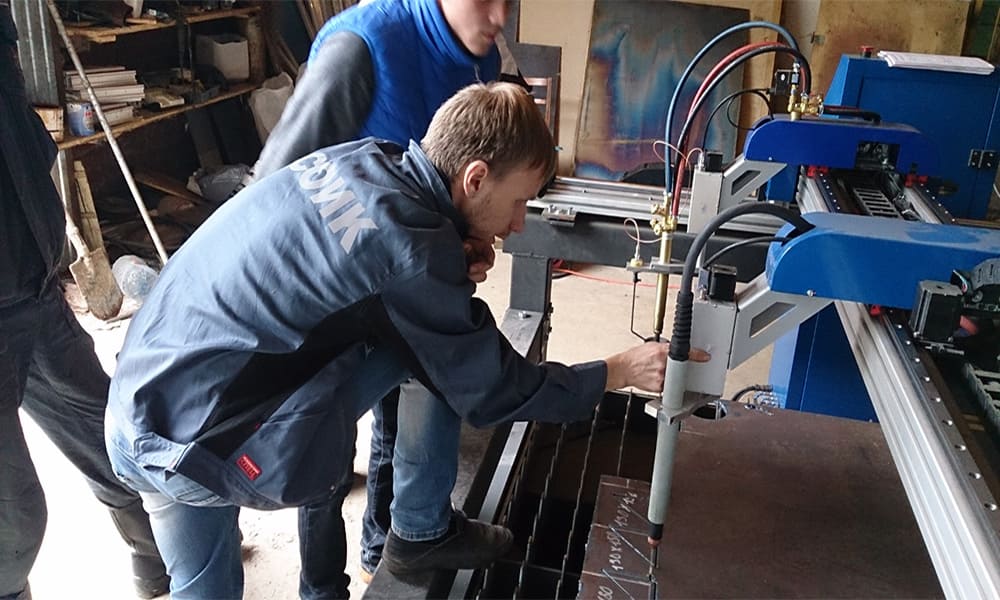
Training and Development Tips:
- Initial Training: Provide comprehensive training for new operators, covering machine operation, safety protocols, and emergency procedures.
- Ongoing training: Offer regular workshops and refresher courses to keep operators up to date on the latest safety practices and technologies.
- Safety drills: Conduct periodic safety drills to reinforce emergency procedures and identify areas for improvement.
- Documentation: Maintain records of all safety training to ensure compliance with industry standards.
A well-trained workforce is more likely to identify potential hazards and respond effectively to emergencies.
Conclusion
Laser and plasma cutting are powerful technologies that offer remarkable precision and efficiency, but they come with inherent risks. By following comprehensive safety guidelines - including the use of PPE, proper machine setup and rigorous training - operators can minimize hazards and maintain a safe working environment. Implementing ventilation systems, managing electrical safety, and preparing for emergencies also help keep operations running smoothly.
Ultimately, safety is not just about following the rules, it is about cultivating a culture of responsibility and vigilance. With the right precautions in place, manufacturers can realize the full potential of laser and plasma cutting technologies while protecting their workers and complying with industry regulations.