Laser cutting technology has become a game-changer for metalworking companies thanks to its precision, speed and versatility. Whether you are involved in manufacturing, automotive, aerospace or artistic metal fabrication, investing in laser cutting can significantly improve operational efficiency while reducing costs. This article explores the ways in which laser cutting can increase productivity, streamline operations and reduce costs. It also provides practical advice on selecting the right plasma cutter for companies that need plasma cutting capabilities.
Benefits of laser cutting for business efficiency
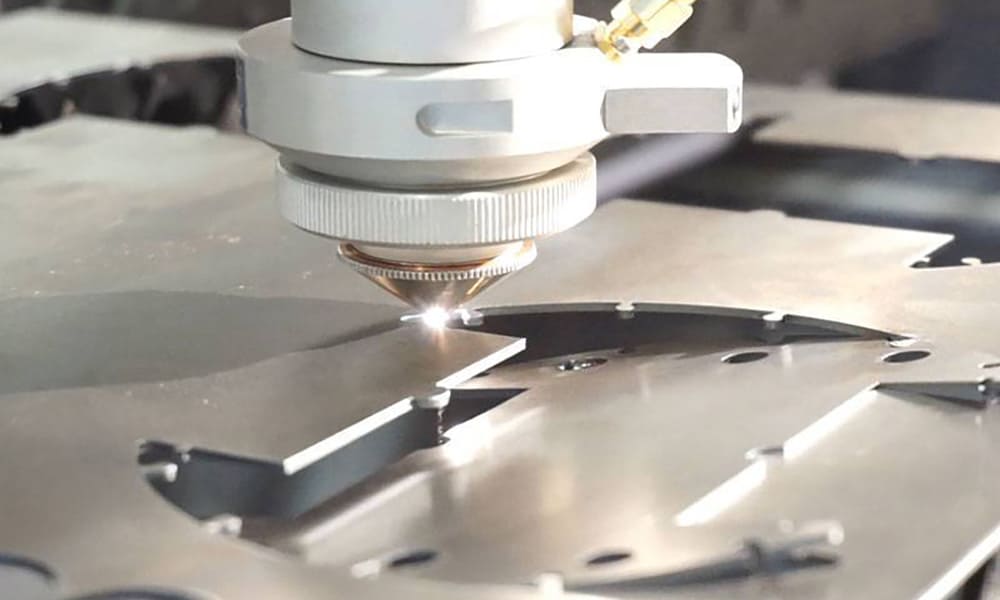
- Precision and Accuracy Laser cutting offers exceptional precision, allowing companies to produce complex parts with tight tolerances. This level of accuracy reduces material waste by ensuring that cuts are accurate, minimizing the need for post-cut machining or corrections.
- Faster Production Times Modern laser machines operate at high speeds, especially when working with thin sheet metal. The ability to cut quickly translates into shorter production cycles, allowing companies to meet tight deadlines and handle higher volumes without sacrificing quality.
- Lower Labor Costs Laser cutters are typically automated and computer-controlled, reducing the need for manual intervention. Operators can manage multiple machines simultaneously or focus on programming tasks, reducing overall labor costs and minimizing the risk of human error.
- Versatility Across Applications Laser cutting can be applied to different metals-such as stainless steel, aluminum and carbon steel-without requiring tool changes. This flexibility is especially valuable for companies that manufacture a wide range of products, as it simplifies operations and reduces setup times.
- Reduced waste Precision cutting ensures maximum material utilization. Using nesting software, companies can plan efficient layouts that minimize waste, reducing material costs over time.
- Consistent quality Laser cutting ensures consistent results across production runs, eliminating inconsistencies between batches. This reliability helps companies maintain high product standards, resulting in greater customer satisfaction and fewer returns or rework requests.
Cost savings of laser cutting

- Lower Maintenance Costs Laser cutting machines have fewer moving parts than traditional cutting tools, resulting in less wear and tear. In particular, fiber lasers require minimal maintenance over their lifetime, resulting in savings on parts and service.
- Energy Efficiency Fiber lasers consume less energy than older CO2 lasers, reducing operating costs. In addition, the faster processing speeds of laser cutting reduce machine uptime, resulting in further energy savings.
- Fewer Consumables Unlike plasma cutting, which relies on gases and consumable electrodes, laser cutting relies primarily on electricity and cooling systems. This reduces the need for frequent replenishment of consumables, lowering long-term operating costs.
- Optimized Workflow Integration Laser cutting machines can be easily integrated into automated production lines, further increasing efficiency. With features such as conveyor systems and robotic arms, companies can streamline workflows, reduce bottlenecks and ensure seamless production.
Tips for Choosing Plasma Cutting Equipment
While laser cutting offers remarkable advantages, plasma cutting remains essential for certain applications, especially when working with thicker metals or in environments where initial equipment costs are a concern. Choosing the right plasma cutter requires a careful evaluation of your business needs, operating environment and future goals. Here are key factors to consider when purchasing plasma cutting equipment.
1. Cutting Thickness and Capacity
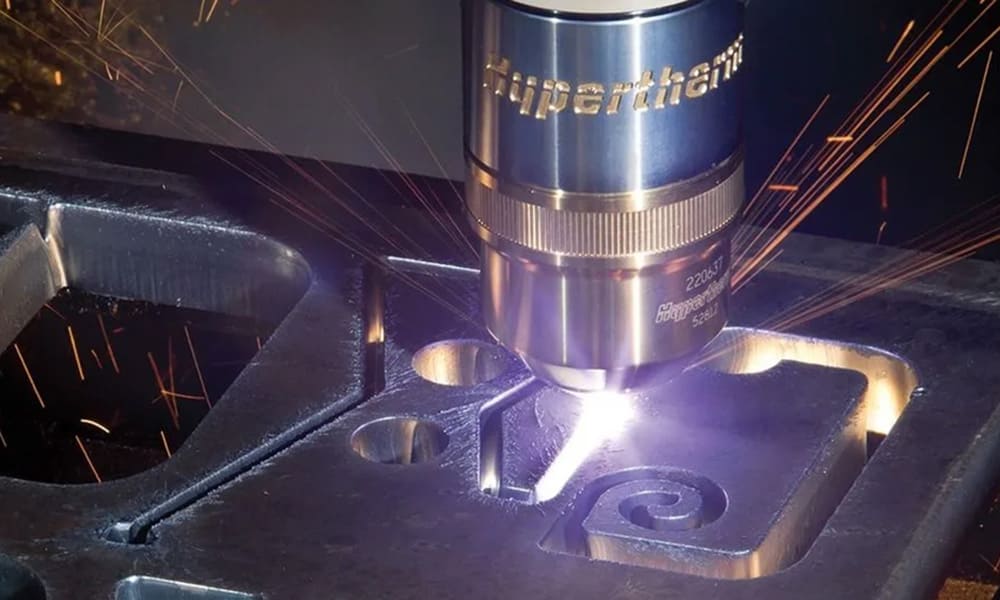
The first consideration when choosing a plasma cutter is its cutting capacity. Different models are designed to handle specific material thicknesses, and exceeding the recommended limits can result in poor-quality cuts or damage to the machine.
What to consider:
- Determine the maximum thickness of material you need to cut on a regular basis.
- Choose a plasma cutter with a duty cycle and amperage that matches your cutting requirements-higher amperage machines are better for thicker materials.
- Make sure the cutter can handle the types of metals you work with, such as aluminum, stainless steel, or mild steel.
2. Duty Cycle and Power Requirements
Duty cycle refers to how long the plasma cutter can run continuously before it needs to cool down. Machines with higher duty cycles are essential for heavy production environments where downtime must be minimized.
What to consider:
- Choose a plasma cutter with a duty cycle that matches your workload. For industrial applications, a machine with a 60-100% duty cycle is ideal.
- Check the power requirements of the plasma cutter. Some machines operate on standard 110-volt outlets, while others require 220-volt or three-phase power. Make sure your facility's electrical system can support the equipment.
3. Portability and Mobility
Portability is an important factor for businesses that require on-site cutting or operate in multiple locations. Many plasma cutters are designed to be compact and lightweight, making them easy to transport.
What to consider:
- If portability is important, look for a plasma cutter with a built-in air compressor and a lightweight design.
- Consider machines with ergonomic handles or wheels for easy transport.
- Make sure portable units have enough power and cutting capacity to meet your needs.
4. Automation and CNC Compatibility
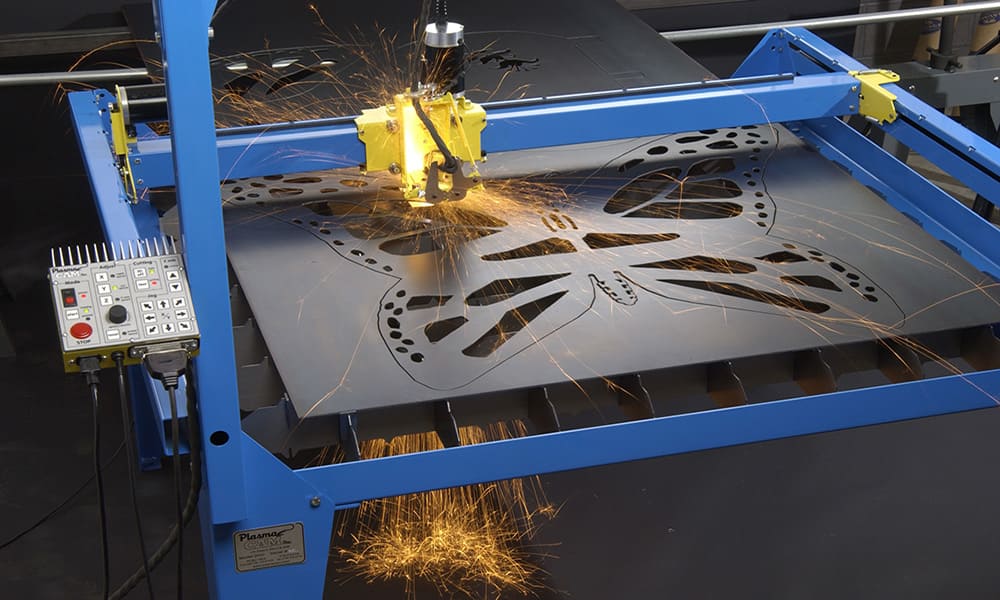
For companies looking to streamline production, plasma cutters with CNC (computer numerical control) capabilities offer a significant advantage. CNC plasma cutting systems allow for precision cuts, repeatability, and increased productivity through automation.
What to consider:
- If you plan to automate your cutting processes, choose a plasma cutter that is compatible with CNC tables and controllers.
- Look for machines with easy-to-use interfaces and pre-installed software for faster setup.
- Make sure the plasma cutter offers features such as torch height control, which is critical for maintaining consistent cut quality on uneven surfaces.
5. Air and Gas Requirements
Plasma cutting relies on a steady flow of compressed air or gas to maintain the cutting arc. Some machines come with built-in compressors, while others require an external air supply.
What to consider:
- Determine if your company already has a compressed air system or if you need a cutter with a built-in compressor.
- Make sure the air or gas supply is sufficient to meet the cutter's needs without interruption.
- If your work involves cutting stainless steel or aluminum, you may need specialty gases such as nitrogen or argon to achieve better cut quality.
6. Torch Design and Consumables
The plasma torch is a critical component of the cutting process, and its design influences both performance and running costs. Frequent replacement of consumables like nozzles and electrodes can increase expenses over time.

What to consider:
- Look for torches with ergonomic designs that reduce operator fatigue.
- Choose a machine with readily available consumables to avoid delays during maintenance.
- Consider high-quality consumables that last longer, even if they come at a slightly higher cost—this can reduce downtime and improve productivity in the long run.
7. Cost of Ownership and Warranty
While the upfront cost of a plasma cutter is important, it is equally essential to consider long-term expenses, including maintenance, consumables, and energy consumption.
What to consider:
- Evaluate the total cost of ownership, including consumables and energy use.
- Choose a machine with a robust warranty and reliable customer support.
- Look for manufacturers that offer training and technical support to help your team get the most out of the equipment.
Conclusion
Laser cutting technology provides businesses with a powerful tool to enhance efficiency and reduce costs by offering unmatched precision, faster production times, and lower labor expenses. Meanwhile, plasma cutting remains a valuable solution for specific applications, particularly when cutting thicker materials or working on-site.
Selecting the right plasma cutter involves understanding your business needs, from cutting capacity and power requirements to portability and automation options. Careful consideration of these factors ensures that you invest in equipment that meets your current demands while supporting future growth.
With the right combination of laser and plasma cutting technologies, businesses can optimize workflows, minimize waste, and improve profitability, staying competitive in an increasingly demanding market.