Energy efficiency of laser and plasma cutting: How to Reduce Costs
Choosing the right metal cutting method is critical to ensuring high quality output and operational efficiency. Laser and plasma cutting are two of the most widely used technologies in modern metalworking, each with different strengths depending on metal type and thickness. This article provides an in-depth comparison of these two cutting methods, focusing on their suitability for different materials and thicknesses. It also examines energy efficiency considerations and offers practical strategies for minimizing costs.
Laser vs. Plasma Cutting Based on Metal Thickness and Type
Laser and plasma cutting are both versatile technologies, but their performance varies depending on the thickness and type of metal being processed. Each method has unique advantages that make it more or less suitable depending on the material and application.
1. Thin metals (up to 3mm)
For metals such as thin stainless steel or aluminum, laser cutting is typically the most effective solution. Its high precision and minimal kerf (the width of the cut) allow for detailed patterns and intricate designs, making it ideal for applications such as electronics, automotive parts or decorative metalwork.
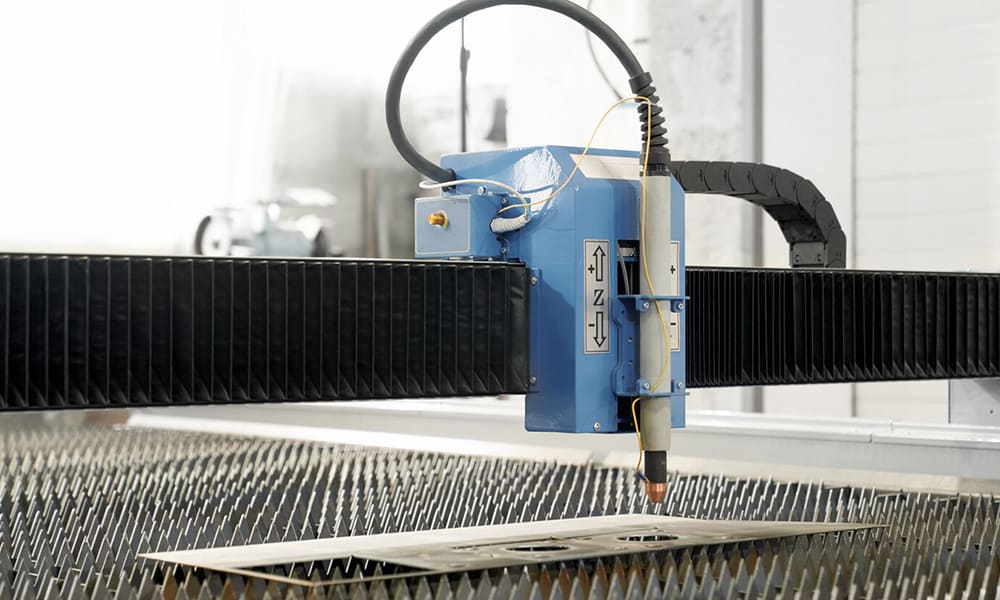
- Advantages of laser cutting:
- Smooth, clean edges with little to no finishing required.
- Minimal heat-affected zones (HAZ), reducing the risk of distortion.
- High precision, especially with thin materials.
- Challenges of plasma cutting thin metals:
- Excessive heat can cause distortion and rough edges.
- Lower precision than laser, making it less suitable for intricate designs.
2. Medium Thickness Metals (3mm to 25mm)
For medium thickness metals, both plasma and laser cutting can be viable options, but the choice depends on the specific material and requirements.
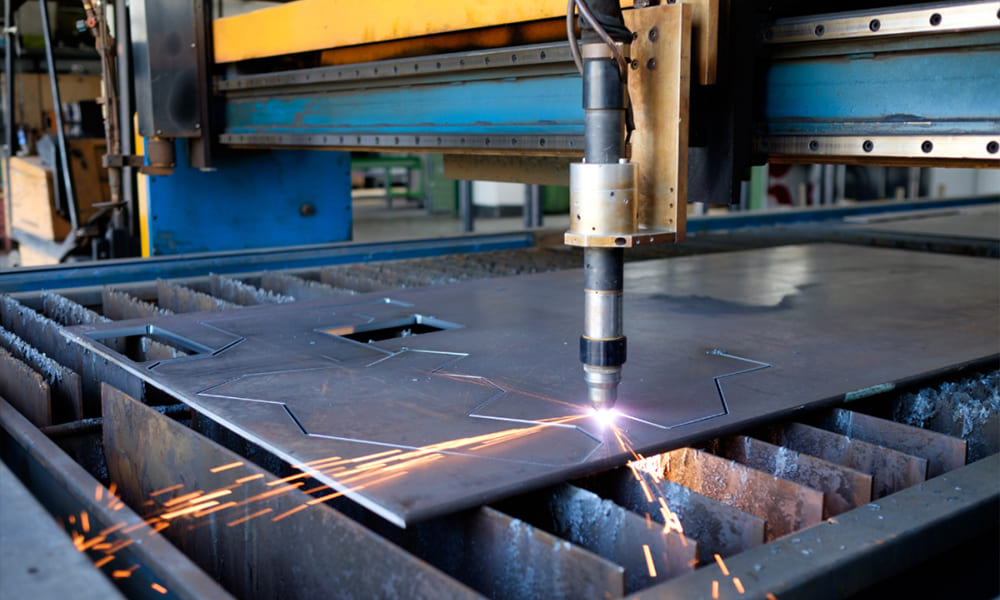
- Laser cutting works well for
- Stainless steel and aluminum up to 20mm.
- Applications that require tight tolerances and smooth surfaces.
- Plasma cutting is beneficial for
- Metals such as carbon steel that are easily ionized by plasma.
- Projects where speed and cost-effectiveness are more important than extreme precision.
- Cutting metals with thicknesses above the economic range of lasers (e.g. 15-25 mm).
In this range, plasma cutting generally offers faster processing speeds and lower costs compared to laser cutting, especially for carbon steel.
3. Thick metals (over 25 mm)
When cutting thick materials, plasma cutting and oxy-fuel cutting are generally preferred. Although laser technology has improved, it becomes less effective and more expensive for materials over 25 mm thick.

- Plasma cutting advantages for thick metals:
- Capable of cutting up to 80 mm or more, depending on equipment.
- Suitable for industrial applications that require high-speed processing, such as shipbuilding or construction.
- Challenges of laser cutting:
- High energy consumption and operating costs.
- Limited effectiveness in cutting very thick metals due to beam divergence and reduced penetration.
Energy Efficiency in Laser and Plasma Cutting
Energy consumption plays a significant role in the overall cost of metal cutting operations. Both laser and plasma cutting consume significant amounts of energy, but the efficiency of each method varies depending on several factors such as metal thickness, equipment type and operating conditions. Optimizing energy efficiency is essential to minimize operating costs and achieve sustainable production.

1. Energy Consumption in Laser Cutting
Laser cutting uses a high-intensity laser beam to vaporize or melt metal along the cutting path. The energy efficiency of laser cutting systems is affected by several factors:
- CO₂ vs. Fiber Lasers:
- Fiber lasers are more energy efficient than CO₂ lasers, converting approximately 40-50% of the input energy into the cutting beam, compared to 10-15% for CO₂ lasers.
- Fiber lasers require less maintenance and cooling, further reducing energy consumption.
- Power requirements:
- Cutting thicker metals requires more power, and lasers operating at higher wattages (e.g., 8-12 kW) consume more electricity.
- Running high-power lasers continuously can significantly increase energy costs.
- Cooling systems:
- Laser cutting machines require water or air cooling to prevent overheating, which contributes to energy consumption.
2. Energy Consumption in Plasma Cutting
Plasma cutting uses a high-temperature plasma arc to melt metal and blow molten material away from the cut. While generally faster than laser cutting for thick materials, plasma cutting systems also have specific power requirements.
- Energy efficiency:
- Plasma cutting systems convert approximately 30-40% of the electrical energy into the plasma arc. Although less efficient than fiber lasers, they offer better performance for thicker metals.
- Gas Consumption:
- Plasma cutters rely on compressed air or gases such as nitrogen and oxygen to create the arc. Gas usage contributes to operating costs and energy consumption.
- Cooling requirements:
- Like lasers, plasma systems require cooling to maintain stable operation, but their cooling requirements are typically less than those of CO₂ lasers.
Reducing energy costs for laser and plasma cutting
Minimizing energy consumption not only reduces operating costs, but also promotes environmentally sustainable practices. The following strategies can help companies optimize energy efficiency when using laser or plasma cutting systems.

1. Use fiber lasers for better energy efficiency
Switching from CO₂ lasers to fiber lasers offers significant energy savings. Fiber lasers are more efficient, require less maintenance and have lower cooling requirements. They are particularly effective for cutting thin to medium thickness metals such as stainless steel and aluminum.
2. Optimize cutting parameters
Using the right cutting speed, power and gas pressure reduces waste and minimizes energy consumption. Automated parameter adjustments using CNC systems help optimize the process in real time, ensuring that energy is not wasted on excessive heat or unnecessary cuts.
- Fine-tune power settings: Use only the power necessary for the material thickness to avoid excessive energy consumption.
- Adjust gas flow: Reducing gas consumption where possible reduces both energy consumption and operating costs.
3. Implement Nesting Software
Nesting software efficiently arranges parts on sheets of metal, minimizing waste and reducing total cutting time. Shorter machining times result in lower energy consumption. Proper nesting also reduces the number of sheets of material required, further reducing energy consumption over time.
4. Use standby modes and power monitoring
Modern cutting machines have standby modes that reduce power consumption during idle periods. Effective use of these modes can result in significant energy savings. In addition, energy monitoring systems provide insight into energy consumption patterns, helping operators identify inefficiencies and make data-driven improvements.
5. Maintain equipment for peak efficiency
Regular maintenance and calibration keeps cutting equipment operating at peak efficiency. Poorly maintained equipment can use more energy due to misaligned components, worn nozzles or clogged gas lines. Preventive maintenance reduces downtime and minimizes the risk of costly repairs.
Case Study: Energy Savings in Metal Cutting
A manufacturing company specializing in stainless steel enclosures was experiencing high operating costs due to inefficient CO2 laser cutting. By switching to fiber lasers and implementing nesting software, the company achieved
- 30% reduction in energy consumption due to more efficient laser technology.
- 15% increase in material utilization by optimizing part layouts with nesting software.
- 25% reduction in production time, reducing overall energy consumption.
In another case, a construction company that cuts thick steel plates used plasma cutting equipment but faced high gas consumption. After optimizing gas flow and upgrading to energy-efficient plasma torches, the company reduced its operating costs by 20% without compromising quality.
Conclusion
The choice between laser and plasma cutting depends heavily on the thickness and type of metal being processed. Laser cutting is ideal for thin and intricate materials, while plasma cutting excels at cutting thicker metals quickly and cost-effectively. However, energy efficiency is an important factor to consider with both methods, as it has a direct impact on operating costs and environmental sustainability.
Fiber lasers offer a more energy-efficient alternative to traditional CO2 lasers, making them preferable for many applications. Plasma cutting remains the better option for thick metals, but optimizing gas consumption and cutting parameters can reduce costs. Implementing strategies such as nesting software, energy monitoring and preventive maintenance can further improve efficiency and minimize energy waste.
By carefully selecting the right cutting method and optimizing energy use, companies can reduce operating costs, improve productivity and contribute to sustainable manufacturing practices.